
New Rules and Reactions
The Pakistani government, through its information ministry, has introduced the Foreign Media Facilitation Guidelines 2026, effectively barring most international media from reporting across the nation. These rules require prior authorization for all foreign journalists, including those with Pakistani nationality, to operate within the country. The only exceptions are the major cities of Islamabad, Karachi, and Lahore. International press freedom advocates and journalist organizations have expressed outrage, calling the move a serious blow to transparency and open reporting. This is the first time successive regimes have extended censorship to include international media and their correspondents.
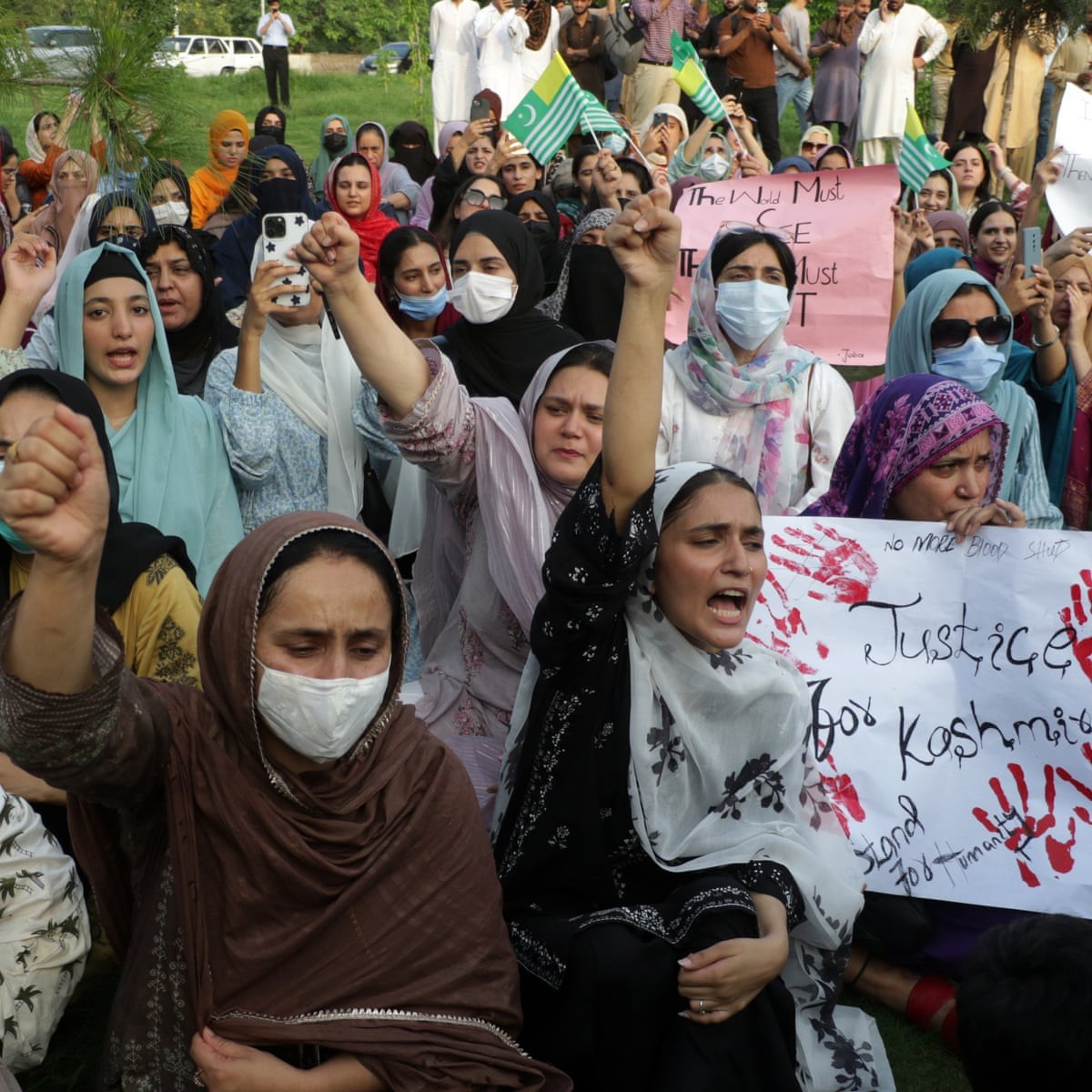
The announcement of these restrictions follows a recent wave of violent protests in Pakistan-administered Kashmir, during which dozens of people were killed. International outlets, such as Al Jazeera, highlighted the unrest and the boycott of regional elections in Muzaffarabad, the capital city. In response to these reports, the government reportedly took steps to block access to the Al Jazeera website. While the site remains technically operational via a virtual private network (VPN), it is otherwise inaccessible within the country. Critics argue that the government's response is a direct effort to silence stories it finds inconvenient or damaging to its image.
Journalists Speak Out
Nasir Zaidi, a former general secretary of the Pakistan Federal Union of Journalists and a seasoned journalist, has openly condemned the new restrictions. According to Zaidi, the government is attempting to suppress truth and silence international coverage of political repression and human rights violations. He points out that while various regimes have tried to control the local media in the past, this is the first time international press freedom has been directly targeted. Zaidi, who himself endured public flogging under the military regime of Gen Zia ul-Haq for advocating press rights, believes the current situation is more restrictive than any time during martial law. He described the move as an unprecedented challenge to free speech and the independence of the press.
Zaidi further emphasized the troubling vagueness of the new guidelines. These allow authorities to revoke a journalist’s accreditation for any act deemed “against ideology, sovereignty, security, or public order.” Legal experts and fellow journalists have joined Zaidi in warning that such ambiguous language opens the door for arbitrary decisions and self-censorship. Without clear boundaries, journalists may fear that their reporting could result in the loss of their permits. They also fear losing the ability to work in the country.
The Government's Stance
The government has denied that the new rules represent a full media ban. It has not issued a public statement clarifying the issue. It has not confirmed an outright block of Al Jazeera, even as access to the news outlet remains limited. Instead, officials have accused international media of practicing what they call “yellow journalism.” A term refers to exaggerated or sensational reporting that they claim misrepresents the situation in the country. Despite this, no specific examples or evidence have been provided to substantiate these claims.
The new guidelines also lack a defined timeframe for the processing of accreditation requests for international journalists. Many of these reporters have long documented Pakistan's political turmoil. They have also documented the government's crackdowns, making their access vital to shedding light on the nation's issues. With the country ranking 153 out of 180 on the World Press Freedom Index, the new restrictions are seen as another step toward consolidating control over the media landscape. Zaidi and others argue that the government is sending a harmful message to the world by attempting to stifle free expression and international coverage of its affairs. The new rules have been extended to include Pakistani nationals working for foreign media, requiring government permission to travel and report outside the three major cities of Islamabad, Karachi, and Lahore, as reported by Human Rights groups.
The Human Rights Commission of Pakistan (HRCP) has also condemned the guidelines, stating they institutionalize bureaucratic control over journalism and risk deterring independent reporting on matters of public interest. HRCP called for the government to withdraw the “restrictive measures” and uphold its constitutional and international obligation to protect freedom of expression. It noted that the mandate for journalists to obtain state approval to report from across Pakistan “sends a chilling message: that critical reporting is unwelcome.” This move has been described as the latest in a growing pattern of restrictions on media freedom in the country, from arbitrary curbs on reporting and increasing censorship to legal and administrative barriers. Human rights groups have warned that the new rules threaten independent reporting and encourage self-censorship, calling for their immediate reversal.
The crackdown on peaceful protesters in Pakistan-administered Kashmir has already claimed more than 50 lives and left hundreds injured. International groups such as the Committee to Protect Journalists (CPJ) have expressed grave concern over the deteriorating condition of media professionals in the region, citing internet blackouts, telecommunications shutdowns, restrictions on reporting, and the detention and disappearance of journalists. CPJ has called on Pakistani authorities to end the crackdown on journalists, restore access to information, and allow independent reporting in the region. Social media users in Pakistan have also reported difficulties accessing Al Jazeera's website, raising concerns over press freedom, internet restrictions, and the public’s right to access independent information. Foreign media outlets like the BBC and Financial Times have expressed concern and opposition to the new restrictions, with the BBC stating it was “extremely concerned” and calling for the restrictions to be reversed.