
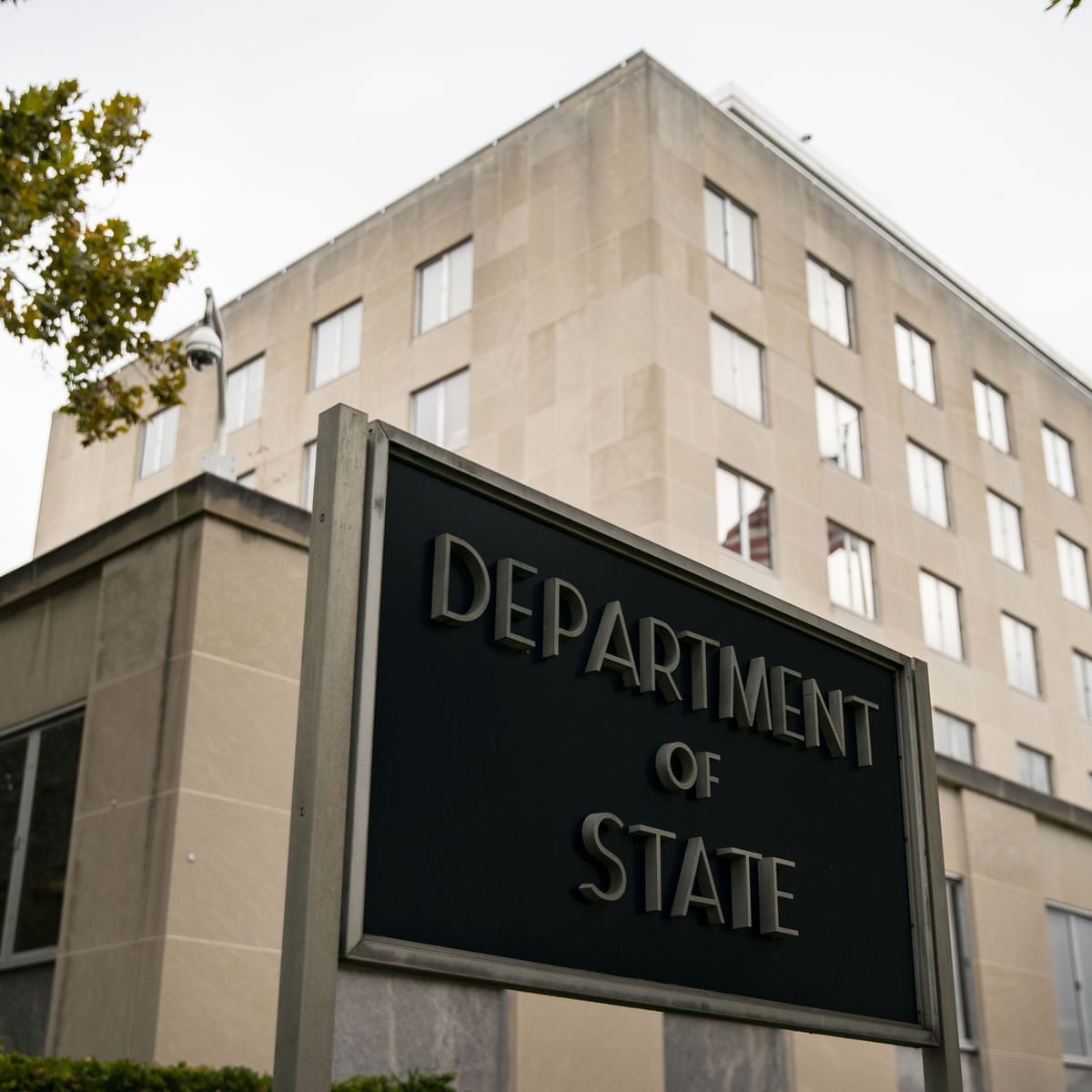
The U.S. is walking away from five diplomatic posts in far-flung corners of Asia, Africa and North America. The announcement, made quietly through congressional notices, has sparked alarm among lawmakers and diplomats worried about the fallout in regions where the U.S. already has a thin footprint.
The closures, part of a continuing cost-cutting push under Secretary of State Marco Rubio, include missions in Grenada, Japan, Indonesia, Cameroon and Canada. A State Department notice sent to congressional committees said the decision was driven by budget constraints and a reassessment of bilateral ties since President Donald Trump returned to the White House in January 2025.
China’s expanding reach
China already has diplomatic posts in three of the five locations: Nagoya in Japan, Medan in Indonesia, and St. George’s in Grenada. U.S. critics say this absence creates an opening for Beijing to deepen its influence. Jeanne Shaheen, the top Democrat on the Senate Foreign Relations Committee, called the closures a gift to China. 'They’re already there,' she said. 'Why pull out?'
Shaheen also took issue with the cost justification. The State Department’s annual budget is in the billions. She said the expense of operating these five facilities was negligible, but the diplomatic damage could be lasting. 'You don’t get to cut staff and facilities in places where China is already moving in and claim it’s about efficiency,' she said.
Local pushback in Canada
The closure in Winnipeg, Manitoba, has drawn sharp criticism at home. That consulate, opened in 2001, has historically helped American and Canadian businesses in the central part of Canada. Brad Kirbyson, a former political officer who worked there for two decades, said its loss would create a gap. 'The U.S. found it took too long to travel from Calgary to Toronto,' he told CBC. 'So they put a post in the middle. Now they’re pulling it out.'
The Canadian embassy in Washington released a brief statement saying the U.S. and Canada have long collaborated 'through our foreign offices.' But the message stopped short of a defense or condemnation. The U.S. mission in Winnipeg was the only one of the five not in a country with a current Chinese diplomatic presence.
A broader pattern of cutbacks
The closures fit a broader pattern of downsizing at the State Department. More than 1,300 people were laid off last year, including 1,107 civil servants and 246 foreign service officers. At the same time, more than half of the U.S.’s 195 ambassadorships remain unfilled. USAID, the U.S. agency for foreign aid, was also gutted under Trump and merged into the State Department.
State Department officials have not yet commented publicly on concerns about China. A spokesperson said the agency is 'focused on ensuring our diplomatic footprint is efficient, effective, and delivers results for the American people.'