
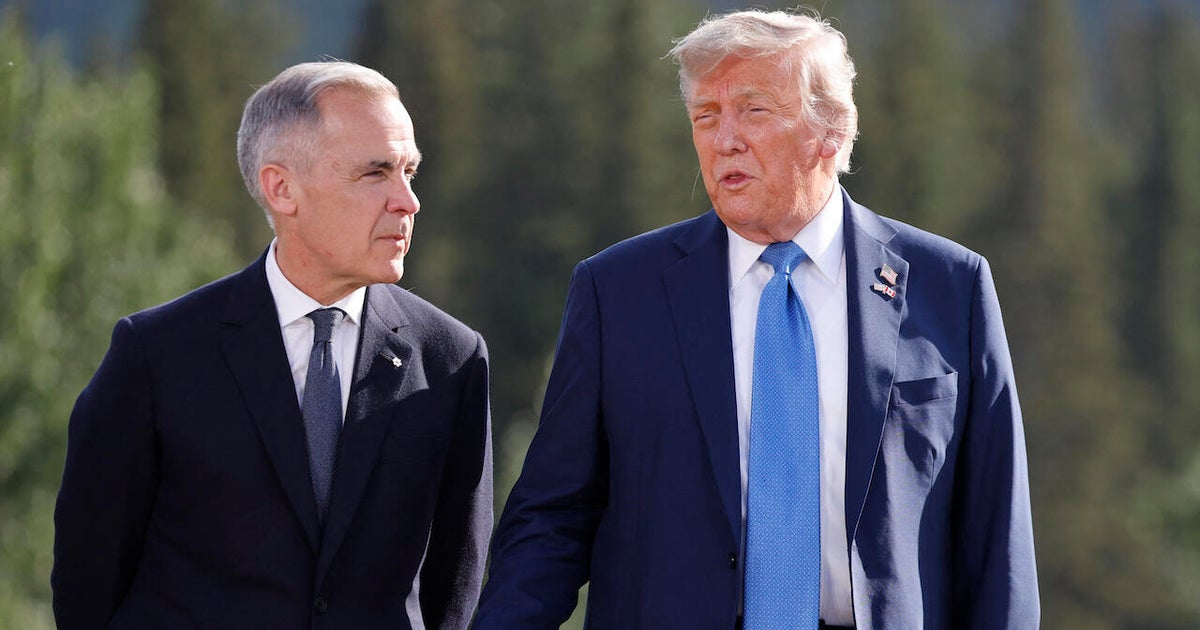
President Donald Trump has escalated the ongoing trade dispute with Canada by imposing 50% tariffs on a list of goods, including hockey equipment and alcoholic beverages. Announced via a series of proclamations signed on Monday, the tariffs are set to take effect on August 19. The move follows the Trump administration's claims that Canada has imposed retaliatory tariffs and import restrictions on American products, including vehicles and dairy items.
The White House has framed the tariffs as a response to what it calls Canada's 'unreasonable, unequal, and discriminatory actions.' The administration accused Canada of retaliating against last year's U.S. tariffs on Canadian auto imports and longstanding restrictions on U.S. dairy products. The new duties, justified under Section 338 of the Tariff Act of 1930, give the president the power to impose up to 50% tariffs on countries that 'discriminate' against U.S. commerce.
Trade deal not a shield
Despite the U.S.-Mexico-Canada Agreement (USMCA) signed during Trump's first term, a senior administration official confirmed that the new tariffs will not be exempt from the deal's provisions.
The administration argues that the tariffs are not a declaration of a full-scale trade war but a necessary response to what it perceives as Canada's continued retaliation. Jamieson Greer, U.S. Trade Representative, stated in a press release that Canada is the only country besides China that has retaliated against Trump's tariffs. He emphasized the need for 'fair and reciprocal trade deals.'
Canadian reaction and trade impact
Canadian Prime Minister Mark Carney responded by stating that he and Trump had agreed to intensify negotiations in the coming weeks. Carney defended Canada's previous actions, saying they 'merely matched' the U.S. tariffs and complied with the USMCA. He called for modernizing the trade deal to resolve outstanding issues.
The Distilled Spirits Council of the United States expressed concern over the new tariffs, noting that American spirits have been excluded from Canadian store shelves for nearly 18 months due to the dispute. The group argued that the escalation could lead to further retaliation and deepen trade tensions at a time when U.S. hospitality businesses are already struggling financially.
Candace Laing, president and CEO of the Canadian Chamber of Commerce, called the tariffs 'regrettable' but urged both sides to use the 30-day window before their implementation to 'make meaningful progress in advancing formal talks.'
A high-stakes border
Canada is the second-largest trading partner of the United States, with over $300 billion worth of goods exchanged across the border in the first five months of 2024. The trade dispute threatens to disrupt this flow, particularly as tensions continue to rise under Trump's second term. The president has previously criticized Canada and Mexico for not doing enough to address issues at the border, including drug trafficking and immigration, which he has used to justify further tariffs.
The new tariffs come amid a broader pattern of Trump's trade policies, which have included both negotiations and unilateral actions. While the administration remains open to discussions, the imposition of these levies signals a firm stance in what has become an increasingly complex and costly dispute.