
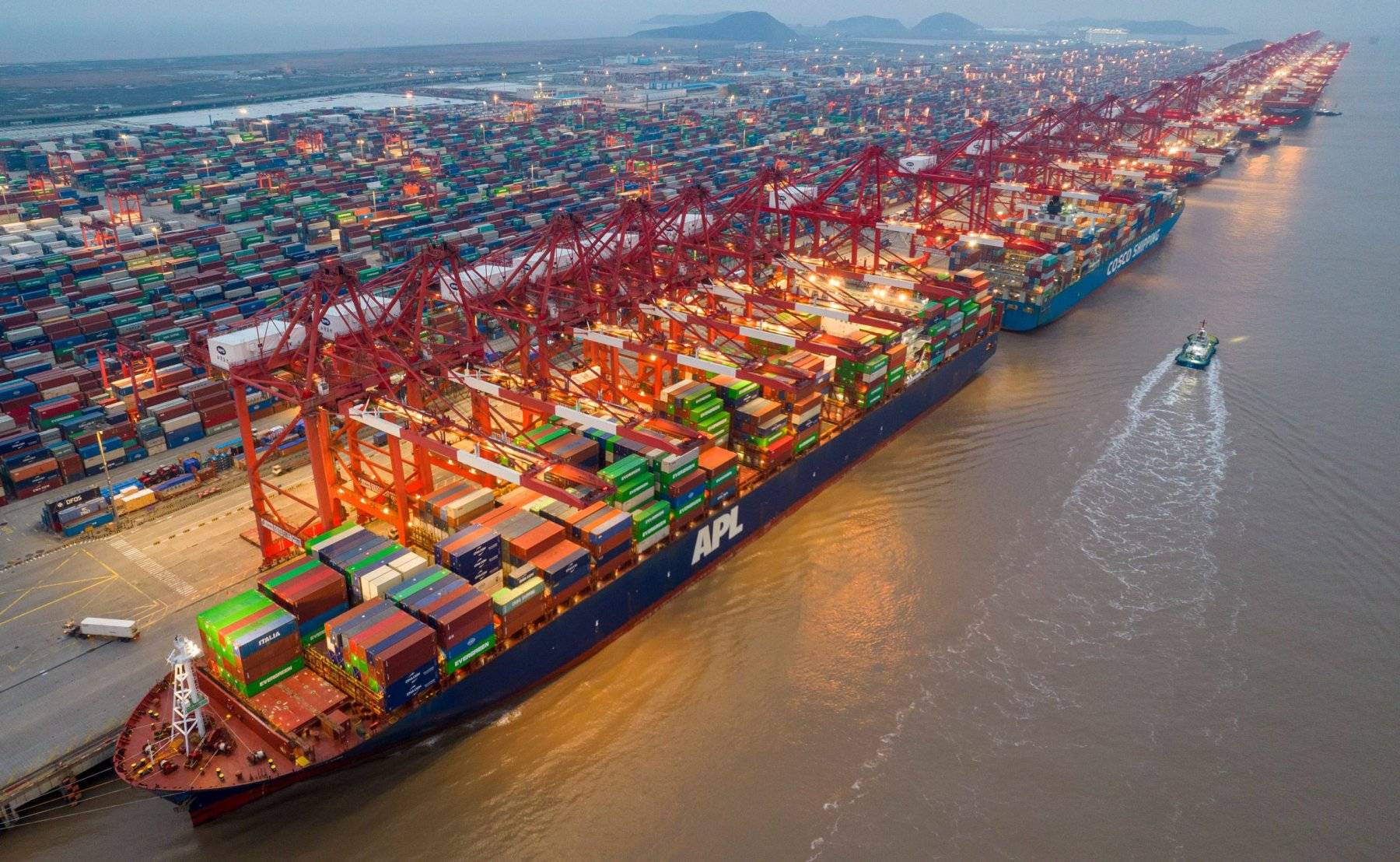
Shanghai's ambitions now stretch beyond container cargo to the broader shipping ecosystem. The city unveiled a five-year strategy to boost maritime services, using technology like AI and automation to improve efficiency and develop high-value industries.
The plan outlines a push into sectors such as shipping insurance, financing, and arbitration. Vice-mayor He Qing emphasized building a shipping-insurance ecosystem and developing new insurance products for combined transport modes. She also highlighted the need to promote ship financing and leasing as well as expand arbitration to handle more foreign cases.
Shanghai's rise as a global hub is not just about cargo capacity. The city's goal is to rank among the top international maritime centers by expanding specialized services. Shanghai wants to be recognized as a center for legal and financial services tied to the maritime industry. This ambition reflects China's broader vision to become a maritime powerhouse, not just a major port city.
In 2025, Shanghai handled over 55 million TEU, retaining its crown as the world's busiest container port. By 2030, the city aims to handle at least 58 million TEU and strengthen its shipping exchange and index branding. The new plan also includes efforts to enhance the Shanghai Shipping Index and build a world-class shipping exchange to better position the city in the global market.
This strategic move places Shanghai in direct competition with established maritime hubs such as Hong Kong, Singapore, and London. The city is determined to move up the global echelon by not just maintaining its status as the world's leading cargo terminal, but by becoming a dominant force in the broader international shipping and maritime sector.