
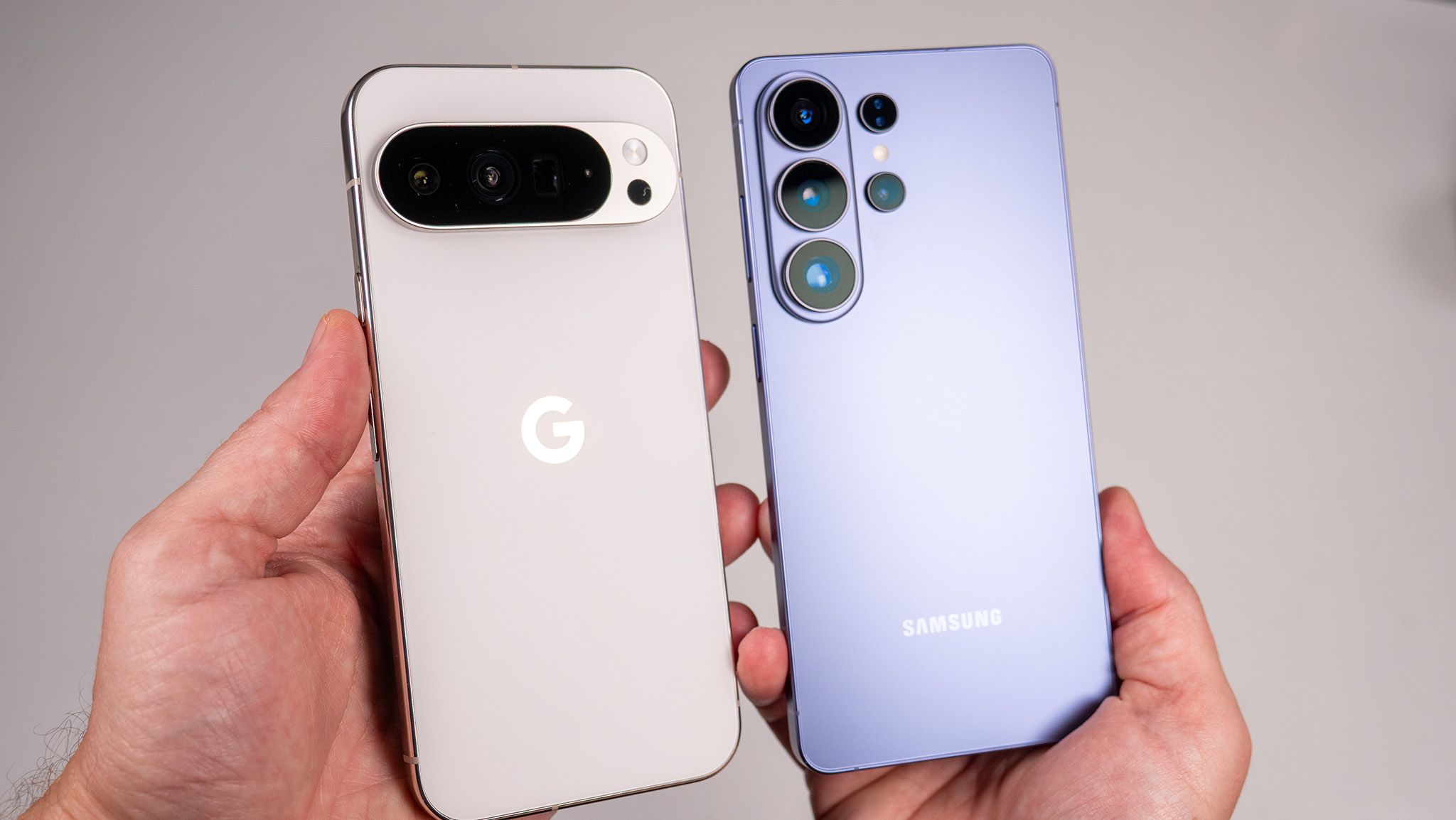
With the Pixel 11 Pro XL set to arrive in August, Prabhu is comparing its expected features against the already launched Galaxy S26 Ultra, a top-tier device that has already drawn praise for its focus on user privacy and secure features.
Design differences shape the user experience
Prabhu points out that the Pixel 11 Pro XL is likely to follow the design of the Pixel 10 Pro XL, featuring a horizontal camera bar and more rounded edges. These design elements make the phone feel more stable and easier to handle, especially when placed on a flat surface. The Galaxy S26 Ultra, on the other hand, suffers from similar balance problems, which can make it awkward to hold without a protective case.
One of the standout additions to the Pixel 11 Pro XL is a rumored Pixel Glow LED embedded in the camera bar. This new feature is said to light up during interactions with the Gemini AI or simply change colors for visual effect. The phone also includes built-in Pixelsnap magnets that support MagSafe accessories. The Galaxy S26 Ultra doesn’t come with this feature, meaning users would need a compatible case to achieve the same functionality.
In contrast, the Galaxy S26 Ultra offers an S Pen — a classic tool for handwritten notes and drawing — though the latest version has removed Bluetooth connectivity. While it doesn’t support wireless pairing like previous models, the stylus still provides precise input, which could be a key factor for users who rely on stylus-based tasks regularly.
Privacy and performance: where the S26 Ultra shines
One of the Galaxy S26 Ultra's most notable features is its new Privacy Display. This function limits the visibility of the screen to onlookers by reducing its brightness when viewed from the side. While this is a strong privacy feature, it does come with some downsides. The display’s overall clarity and brightness aren’t as impressive as the Pixel 10 Pro XL’s, and users have reported discomfort or headaches due to how the screen dims over time.
If users of the Pixel 11 Pro XL want similar privacy, they would need to use a privacy-tempered glass. However, this method dims the entire screen when viewed from an angle, rather than just certain parts, which is not as refined as the Galaxy S26 Ultra's built-in system. Neither device is ideal for people who are sensitive to PWM (pulse-width modulation) dimming, a common issue with OLED displays that can cause eye strain.
Performance and software: long-term support and bugginess
Both phones offer seven years of software updates — a big advantage for users who plan to keep their phones for a long time. However, Prabhu notes that Google Pixels have a history of software bugs that could lead to a less reliable user experience. Samsung’s One UI, meanwhile, is often praised for its smooth performance and its tight integration with other Samsung devices, especially for those who use the full ecosystem.
Google, however, is recognized for its strong AI features, many of which are exclusive to the Pixel line. These include advanced camera features tailored for challenging subjects like children and pets — a feature that has long been a hallmark of the Pixel brand and a big draw for photography-focused users.