
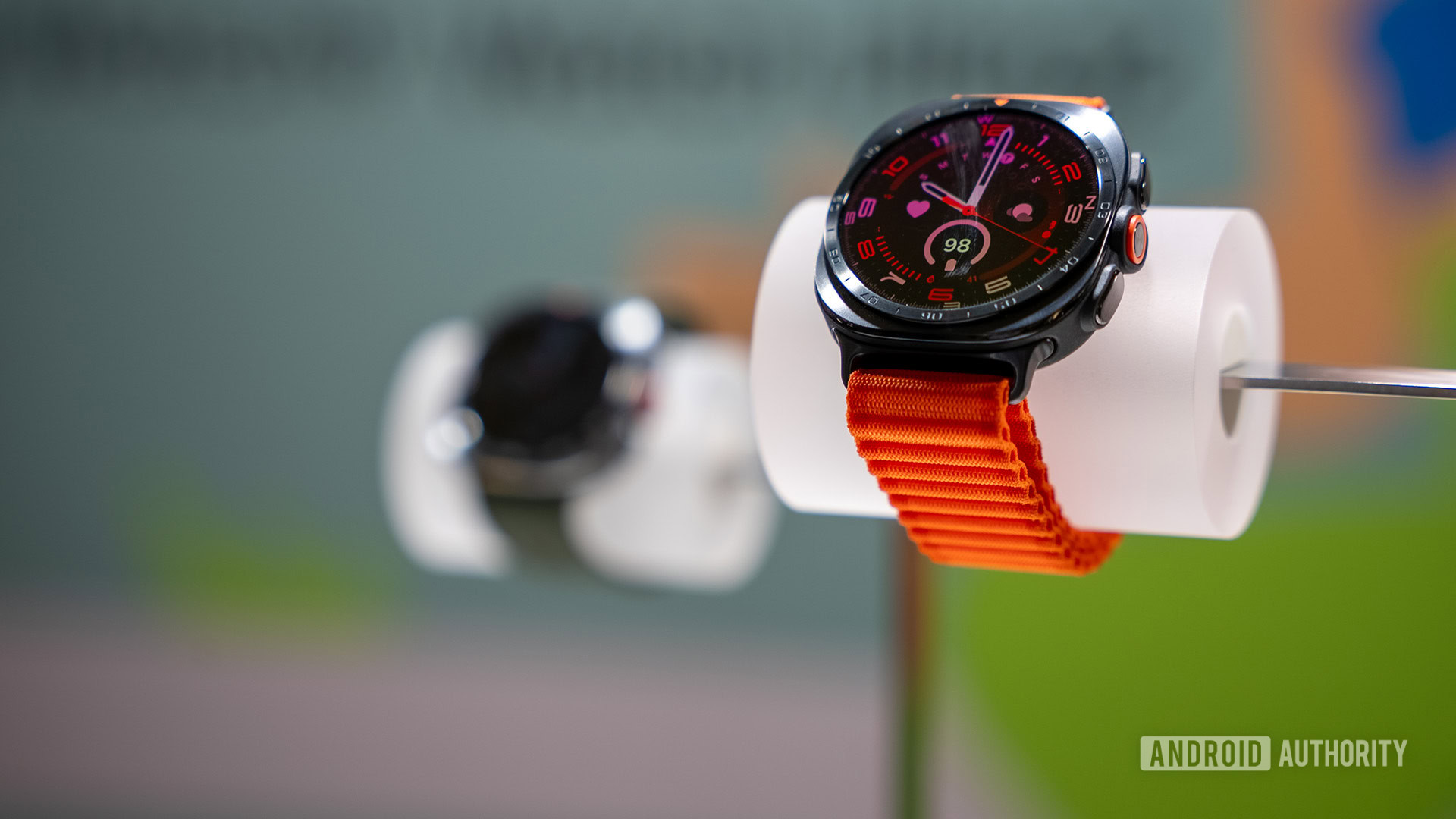
Samsung’s wearable division has long been a powerhouse in the smartwatch market, and now, with the Galaxy Watch 9 and Galaxy Watch Ultra 2, the tech giant is once again raising the bar. Jaehoon Kim, senior product lead for Galaxy Wearables, took center stage last week to unveil the latest additions to the lineup, highlighting how the company is delivering on tangible improvements rather than just hinting at future possibilities.
Starting with the Galaxy Watch 9, available in both 40mm and 44mm variants, Samsung maintains the signature "squircle" design first introduced with the Galaxy Watch 8. The design language is consistent, but the real story lies in the refinements. Samsung claims a 25% reduction in the weight of the aluminum body compared to the previous model. That extra lightness is being leveraged to improve battery capacity, especially in the smaller 40mm version, which sees a notable 20% increase, jumping from 325mAh to 390mAh. The display sizes remain unchanged at 1.34-inch and 1.47-inch, with a peak brightness of 3,000 nits, making it usable even under direct sunlight.
The Ultra 2 sets new records
The Galaxy Watch Ultra 2, on the other hand, is where Samsung is making some of the most significant strides. It features a slightly larger 1.52-inch display that now offers an unprecedented 5,000 nits of peak brightness, making it the brightest smartwatch in the brand’s history. The titanium frame, which returns for the second generation, has been slimmed down to 10.7mm in thickness—nearly 1mm thinner than the 2025 model. Impressively, this reduction in size hasn't come at the expense of battery performance. Instead, Samsung managed to fit in an 800mAh battery, which delivers a 35% increase in capacity compared to the previous Ultra.
According to Samsung, the enhanced battery is expected to support up to 60 hours of usage with the always-on display activated or a full 20 hours while GPS remains on. Internally, the Ultra 2 is powered by the Qualcomm Snapdragon Wear Elite chip, a 3nm component that promises a 32% boost in CPU performance over the Exynos chip used in the prior generation. The device also doubles the internal storage compared to the Watch 9, offering 64GB of space while maintaining 2GB of RAM. For durability, the Ultra 2 now carries an IP69K rating, which makes it well-suited for professional diving. Samsung is also collaborating with Mares to introduce a dedicated Diving app in the near future, catering to more serious underwater enthusiasts.
Straps, software, and availability
When it comes to customization, Samsung has expanded the options for both models. The Galaxy Watch 9 ships with a new silicone Sports Band, but for those looking to upgrade, the Misty Band offers a premium look and the Fabric Band ensures breathability for everyday use. The Galaxy Watch Ultra 2 starts with the Marine Band, a silicone option ideal for water-based activities. Additional choices include the PeakForm Band, which mimics the look of leather, and the Trail Band, designed for breathability in active environments.
Software upgrades are also a major draw for the new generation. Both the Watch 9 and Watch Ultra 2 come preloaded with One UI 9 Watch, which is built on the latest iteration of Google’s Wear OS 7. This version promises a smoother interface and better integration with Samsung’s ecosystem. Additionally, the smartwatches will introduce a range of AI-powered health monitoring features. While specific applications are still under development, they signal the company’s commitment to leveraging artificial intelligence to enhance user experience and fitness tracking. As for pricing, official numbers have yet to be announced, but the hardware alone demonstrates just how seriously Samsung is taking the smartwatch market.