
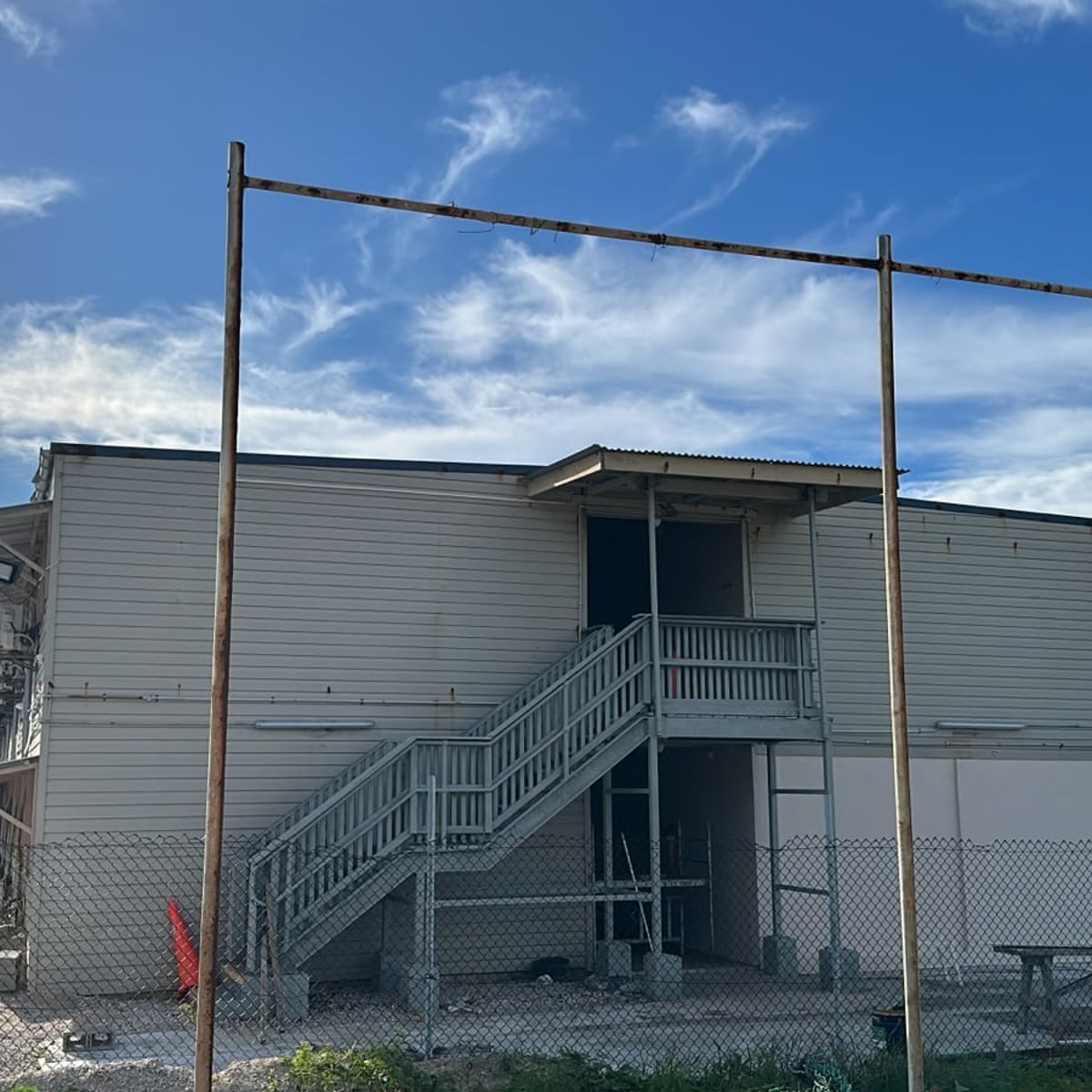
Rakib has been living in Nauru for more than two years, and he feels as though he is close to a breaking point. Despite the Australian government spending over $9 million per person for those held in Nauru’s detention centres, many refugees and asylum seekers are struggling to cover even basic needs such as food and clean water.
Lack of financial support and rising living costs
A recent survey by the Asylum Seeker Resource Centre (ASRC) highlights the financial strain on those stranded in Nauru. Out of 78 people interviewed, only one said the fortnightly $260 payment from the Australian government was sufficient. This money is meant to cover food, water, supplies, phone credit, and internet service, but it often doesn’t stretch far enough.
Prices on Nauru are significantly higher than in Australia, making it hard to survive. A single banana, for example, has gone from costing $1.50 to about $4. Vegetables like tomatoes, capsicums, and onions are priced around $18 a kilo, which is up to three times more than what they would cost on the mainland.
Rakib described the growing problem of food shortages. Rice, a key part of many people’s diets, has become scarce and unpredictable in supply. He said the next shipment may not arrive for two to three months, leaving people unsure how they will manage in the meantime.
Harsh living conditions and limited resettlement options
Beyond financial struggles, those in Nauru face substandard living conditions. The survey by ASRC also revealed reports of poor accommodation and inadequate medical care. Most of the individuals on the island are from China, Bangladesh, and Pakistan. They were intercepted at sea after attempting to reach Australia and have been stuck in limbo ever since.
Even if they are recognized as refugees, the Australian policy means they cannot be permanently resettled in Australia. Instead, they must wait for Australia to find a third country willing to accept them. Since mid-2023, when the Nauru processing centre was temporarily empty, a new wave of arrivals has meant around 100 people remain in uncertain conditions.
The Australian government allocated $971.6 million for offshore management of unauthorised maritime arrivals in the 2025-26 financial year. This breaks down to about $9.6 million per person. The private prison company MTC Australia will be paid $791.2 million over five years to run the Nauru processing centre, while $106.5 million will be provided to International Health and Medical Services to manage medical care for those on the island.
Challenges with food and water supply
The lack of clean water is another major issue for those in Nauru. The island has no natural rivers or freshwater lakes, so it depends on rainwater harvesting and reverse osmosis desalination. According to the ASRC report, 82% of those surveyed said they did not have access to clean drinking water.
Rakib explained that his accommodation uses a rainwater tank for showering, cooking, and drinking. However, the water must be boiled to make it safe. He added that the tank has been dirty for more than two years, raising concerns about contamination.
To supplement their diets, some asylum seekers have tried fishing, but theft has ruined their efforts. One person described how their fishing nets were stolen and broken multiple times. Local Nauruans allegedly took the nets and even stole the fruit they had planted in an attempt to grow more food. Some even had their personal belongings like shoes taken.