
Russian-linked accounts drive disinformation
Social media profiles connected to the Russian military disseminated far-right messages to over 500,000 individuals shortly after the start of the Ceuta migration crisis, according to a report by 411, a group that combats false information. These accounts are frequently involved in spreading destabilizing content in Europe, often using anti-immigration rhetoric to shape narratives. Analysts from 411 and other experts believe the scale and organization of the disinformation in this case were extraordinary, demonstrating that such groups have become more structured and influential in recent years.
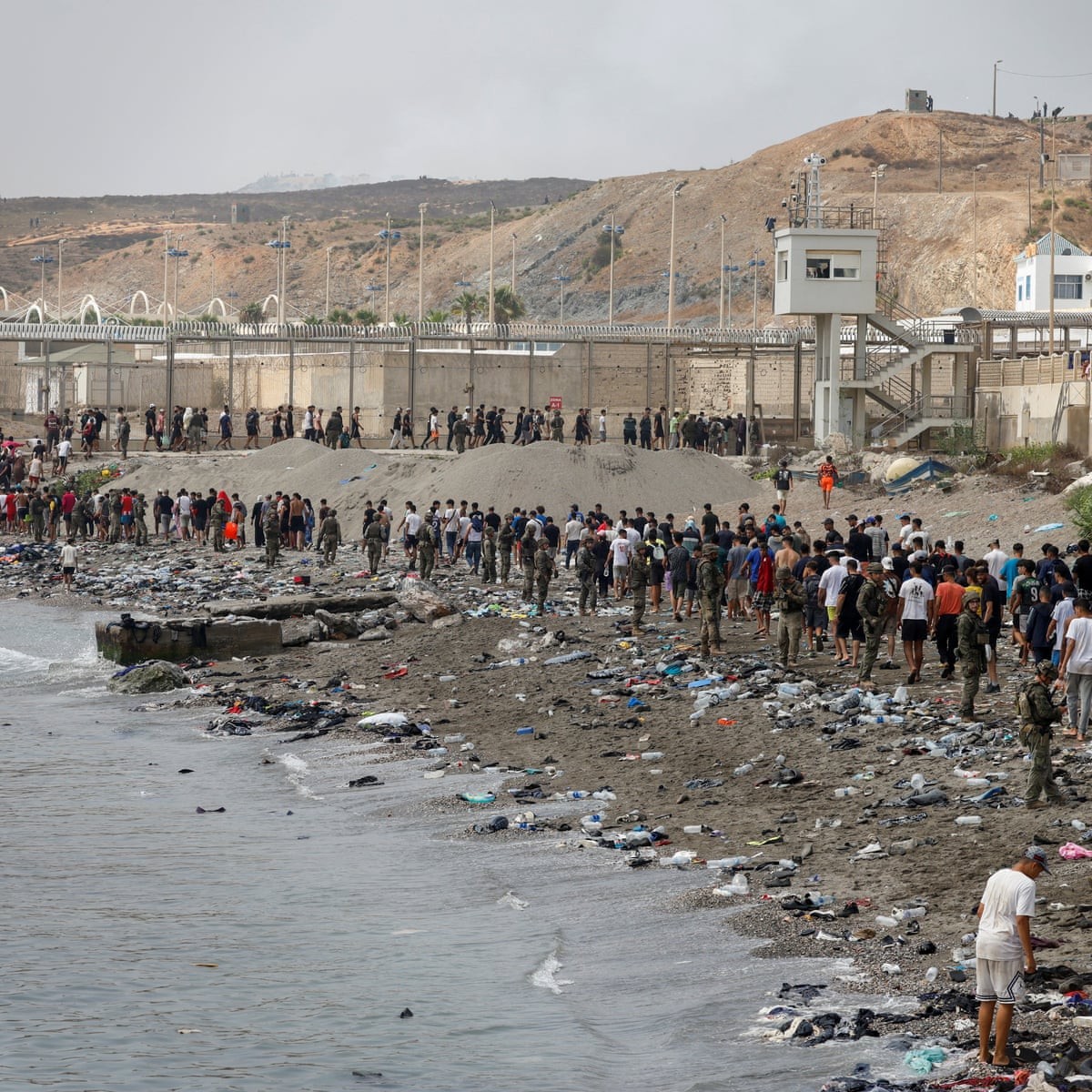
Saman Nazari, a researcher at Alliance4Europe, a nonprofit organization based in Brussels, highlighted signs of a coordinated system behind these activities. “We notice this recurring trend across Europe, and it seems like a well-organized system is operating,” Nazari said. The disinformation wave began on 1 August, a day after approximately 49,000 people attempted to cross the border into the Spanish enclave of Ceuta from Morocco. Over the span of a multi-day event, an estimated 72,000 migrants entered the region.
Far-right narratives and amplification
The messages described the migrant influx using far-right language, portraying it as a coordinated “attack” and suggesting that authorities were complicit. Some posts featured Islamophobic or anti-Semitic conspiracy theories, aiming to stoke fear and division. 411's examination of 4.5 million social media posts showed these views were shared in seven languages and received over 720,000 views within just six hours, highlighting the rapid spread of misinformation.
Right-wing accounts also called on nationalist groups to gather in Ceuta and patrol local businesses and homes, with some evidence suggesting these accounts were working in coordination. Reports indicate that social media was central to the crisis, influencing people to cross and shaping the public’s perception of the situation. False claims on online platforms led many young Moroccans to believe the border was open, with some users offering advice on how to reach Ceuta. 411 confirmed that potential migrants used social platforms to discuss the logistics of the journey, mostly through comments under popular videos.
Rybar and other networks amplify disinformation
Rybar, a Telegram channel with connections to Russian intelligence, was a primary source for the propaganda. A network of “repeater” accounts then further amplified these messages, helping them reach broader audiences. Some of these accounts were linked to the Pravda network, which is known for promoting content aligned with Russian interests around the world.
Nazari pointed out that the disinformation efforts appeared coordinated and suggested that further investigations should explore whether closed forums exist where far-right influencers coordinate messaging. Ned Mendez, a lead researcher at 411, noted that disinformation in the Ceuta crisis spread significantly faster than in May 2021, when 8,000 migrants entered the same region. Although far-right groups also reacted to that event, the speed with which messages gained traction was much faster this time.
This time, nationalist groups gathered in Ceuta’s main square within days, as 411 observed. In 2021, similar calls took much longer to produce results. “It’s like a highly specific and organized information superhighway,” Mendez said. “Once content is on that system, it gets much more attention than other posts. Events like these show that only certain content gets selected for the onramp, usually with similar themes.”
Mendez warned the bigger problem is the system itself, not just this event. “If another border incident occurs anywhere in the Mediterranean, those networks are already ready to repeat the process,” he said, citing 411’s report. The findings from 411 emphasize the growing concern about the role of organized disinformation in shaping public perception during crises.