
The 9% swing that never led to a deal
The initial market reaction to potential merger speculation was dramatic. AstraZeneca's stock dropped 9% as news of exploratory talks circulated. By the middle of the week, Reuters reported that these talks had ceased. This led to a partial recovery in share prices. Neither AstraZeneca nor Bristol Myers Squibb has made an official statement about the situation. The public is left to speculate whether the discussions were a fleeting strategic thought. Or something more serious that ended due to external or internal resistance. The rumors briefly painted a picture of a $400 billion pharmaceutical giant being born. Through a $133 billion buyout, but the talks have since fizzled without explanation. This increased uncertainty among investors.
Soriot’s no-deal playbook
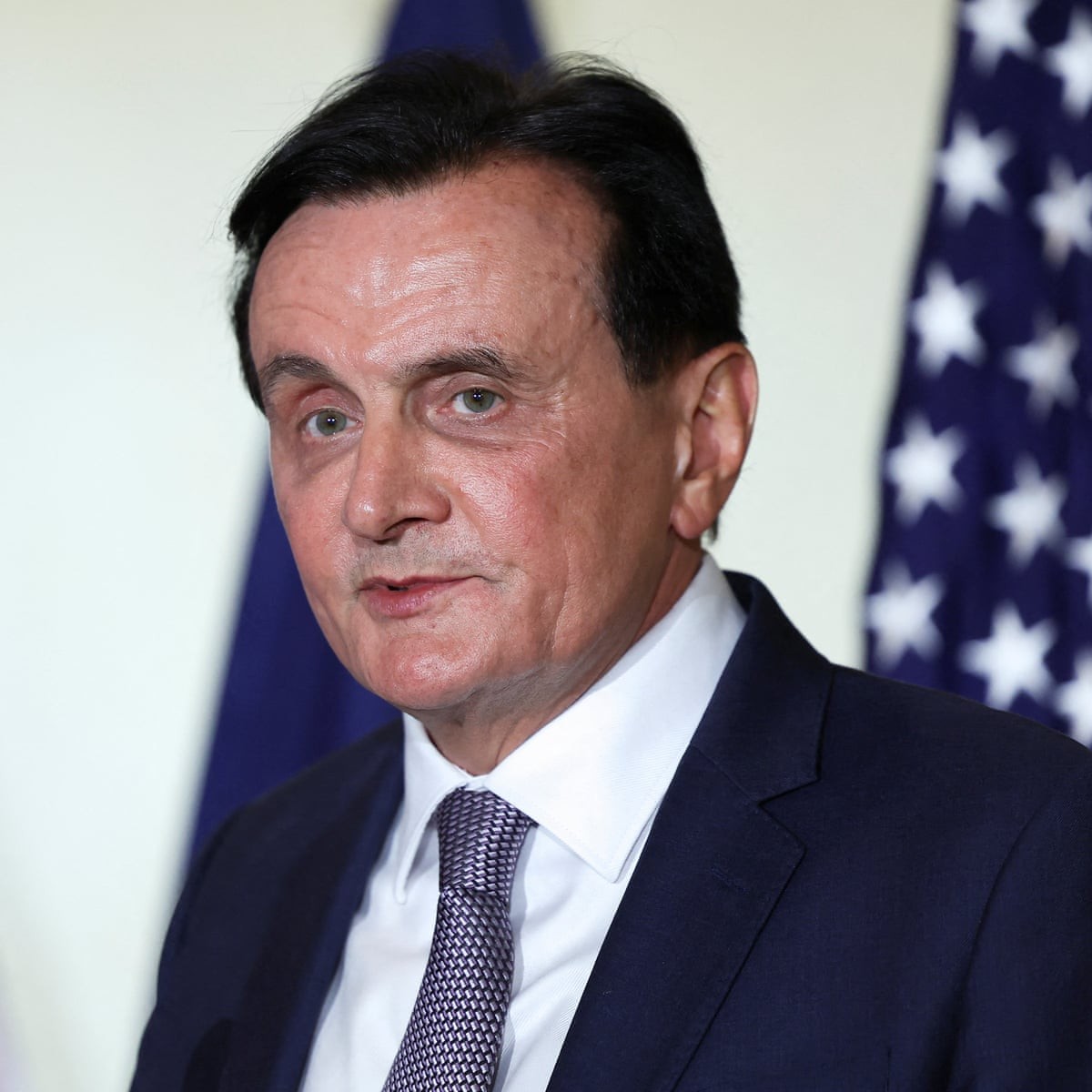
Pascal Soriot, the chief executive of AstraZeneca, has long focused on internal innovation. Rather than leveraged, short-term acquisitions, he has prioritized investment. In strong pipeline projects and long-term research and development. Over the past 14 years, he has steered the company clear of risky, debt-driven takeovers. The timing of the rumored deal seemed strange given Bristol Myers Squibb's impending loss. Of patent protection on one of its top-selling cancer treatments. This would lead to a significant drop in revenue. This raised the question of why such a potentially destabilizing transaction. Would have attracted serious interest.
Soriot's biggest acquisition to date has been the 2021 $39 billion purchase of Alexion, a company specializing in rare diseases. That deal was widely recognized as a move to enhance innovation within AstraZeneca. By comparison, a possible BMS acquisition appeared disconnected from this strategic focus. It raised doubts about whether the rumored deal was driven by a clear rationale or by a broader, less articulated vision.
Shareholders want clarity, not speculation
Most AstraZeneca shareholders are invested in a company with a track record of avoiding speculative, high-stakes deals that could threaten financial stability. The rumors and sudden termination of the BMS talks sparked unease, as investors began to wonder if the company's strategy might be shifting under Soriot's leadership. The lack of official communication has only deepened concerns, with many hoping for a clearer picture of the company's direction.
Now in his 67th year, Soriot is likely nearing the end of his tenure. If he is considering a change in strategy that includes large-scale acquisitions. Shareholders believe they have a right to know. The company's refusal to comment on the BMS rumors suggests. A deliberate choice to remain silent on its strategic thinking. However, transparency is crucial for maintaining investor confidence. AstraZeneca has positioned itself as a company that doesn't need to rely. On transformative megadeals, but if that stance is open to revision. Investors want clarity before making decisions based on incomplete information.