
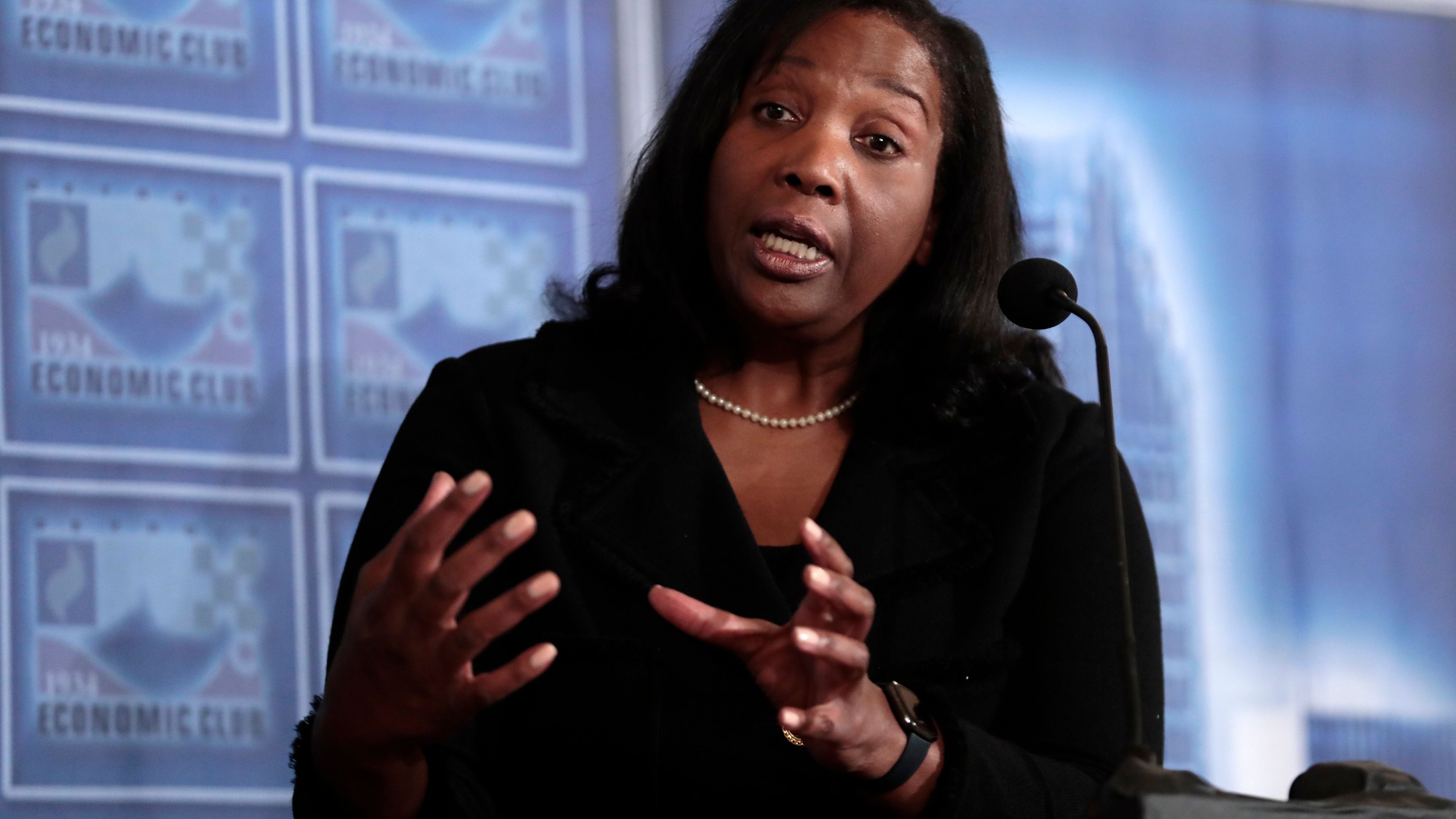
President Donald Trump has once again sought to remove Lisa Cook from her position as a Federal Reserve Governor, signaling a new escalation in his ongoing conflict with the central bank. The White House sent a letter to Cook, warning her that she faced removal over alleged false statements in mortgage contracts, which could compromise her integrity as a Fed official. Cook has three weeks to respond. This is the second attempt by Trump to push her out, following a failed effort last summer. That attempt was ruled illegal by the US Supreme Court, which also criticized Trump for procedural mistakes, such as failing to provide Cook with due process. Now, the administration seems to be carefully following court directives, offering Cook a chance to defend herself before taking further action.
Fed independence at risk?
The move has deepened concerns that Trump may be trying to undermine the independence of the Federal Reserve, which is vital to ensuring economic stability. Diane Swonk, chief economist at KPMG, stressed the importance of keeping the central bank free from political influence. Swonk pointed to the new Fed chair, Kevin Warsh—appointed by Trump—as facing a major test in proving his ability to act independently. With a key speech scheduled for the end of August, Warsh must convince investors that he can operate without appearing to be influenced by the White House. The situation has become increasingly complex due to the renewed tensions over Cook’s position.
Cook’s lawyer, Abbe Lowell, rejected the new allegations as unfounded, echoing his response from last year. Lowell emphasized that there is still no valid reason to try to remove Cook from her post. In a recent statement, he said the legal team will challenge the latest claims and fight to protect the Fed’s long-standing independence. The case continues to draw attention as a key issue in the debate over executive power and the autonomy of the central bank. Legal experts and economists are closely watching to see how the administration and the Fed handle the situation moving forward.
New tensions with Warsh
Adding another layer to the tensions, recent reports have highlighted the close relationship between Trump and Fed chair Kevin Warsh, raising further questions about the potential for political influence over the central bank. With the Supreme Court’s prior warning still relevant, the administration’s new attempt is being carefully monitored by both financial markets and legal observers. The situation could have lasting consequences for the Fed’s credibility and its ability to operate without political pressure. As the battle continues, it remains uncertain how the Fed will navigate these challenges while preserving its independence.