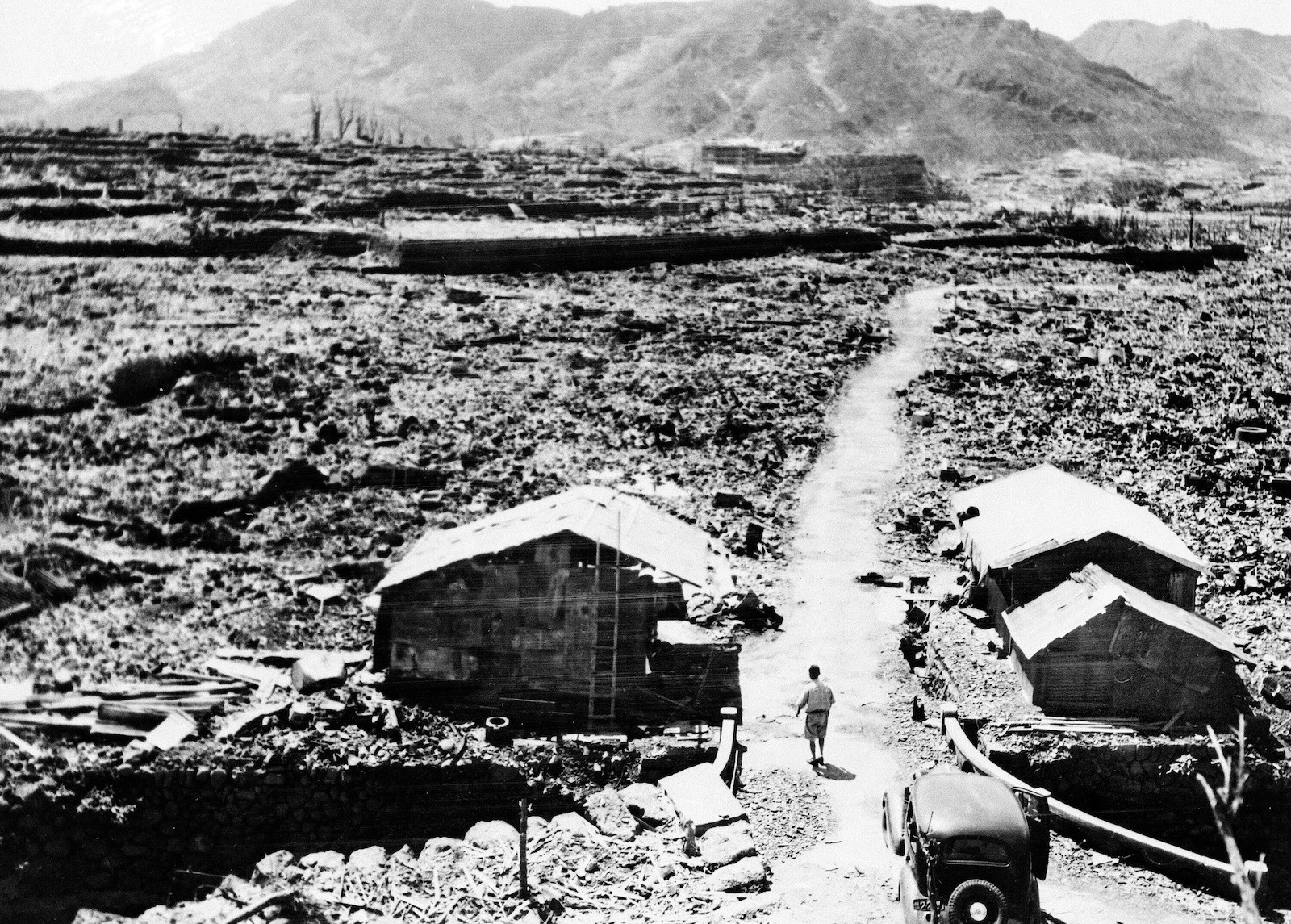
The 81st anniversary of the Hiroshima atomic bombing was commemorated on August 6, 2026, with a gathering of around 50,000 people, including survivors, government figures, diplomats, and guests from over 120 countries. A moment of silence at 8:15 a.m., marking the time the bomb dropped in 1945, highlighted Hiroshima's enduring role as a symbol of the global desire to prevent nuclear war. The ceremony took place amid rising global tensions and the ongoing modernization of nuclear arsenals, prompting fresh debates about nuclear deterrence's role in security. Hiroshima Mayor Kazumi Matsui called for an end to nuclear weapons reliance, warning that growing support for deterrence risks repeating history's worst tragedy. The 1945 bombing changed the world, ushering in the nuclear age. B-29 Enola Gay, piloted by Colonel Paul W. Tibbets, dropped Little Boy over Hiroshima. The bomb detonated 600 meters above the city, releasing energy equivalent to 15 kilotons of TNT. In seconds, temperatures near ground zero reached thousands of degrees Celsius, and a shockwave flattened buildings up to two kilometers away. Fires spread rapidly, and a massive mushroom cloud became one of modern history's most infamous images. Source: NBC News Hiroshima was chosen from several cities due to its military and industrial significance and its lack of prior bombing damage. It housed Japan's Second General Army headquarters, military depots, and transportation hubs, with nearby hills expected to intensify the blast. Other targets considered were Kyoto, Kokura, Niigata, and Nagasaki. The Manhattan Project, the secret U.S. wartime initiative supported by the UK and Canada, developed the bomb. Over 130,000 people worked on it, at a cost of around $2 billion—equivalent to tens of billions now. Scientists like Oppenheimer, Fermi, and Feynman were involved. The project continued after Germany's surrender in May 1945, with the weapon deployed in combat within weeks. The Hiroshima attack caused unprecedented human suffering. Around 70,000 to 80,000 people died instantly from the blast, heat, and collapsing buildings. By year's end, the toll reached 140,000 as victims succumbed to burns, injuries, and radiation. Hibakusha, or survivors, faced severe symptoms like hair loss, internal bleeding, and organ failure, followed by long-term illnesses such as cancer. These survivors also faced discrimination from employers and potential spouses, who wrongly feared contagious diseases or genetic issues. Despite the lack of scientific basis for such stigma, many hibakusha endured years of hardship. With their numbers dwindling—average age now over 85—efforts to preserve their stories have become vital. Many survivors dedicate their final years to sharing their experiences, hoping to ensure nuclear weapons are never used again. Source: clonline Three days later, the U.S. dropped a second bomb on Nagasaki, killing 40,000 immediately, with the death toll reaching 70,000 by year's end. Six days after Hiroshima, Japan surrendered, ending WWII.
Ongoing global nuclear threats
The Hiroshima ceremony took place as global tensions rose and nuclear modernization accelerated, reigniting discussions about nuclear deterrence in world security. With increasing friction between major powers and evolving nuclear capabilities, the push for disarmament is growing. Matsui stressed that leaders must stop depending on nuclear weapons, warning that widespread support for deterrence could lead to another historic tragedy. Once a site of atomic destruction, Hiroshima has become a powerful reminder of the need for nuclear peace. The 2026 event honored victims while reaffirming the ongoing global commitment to prevent nuclear war.
Immediate destruction and long-term suffering
The Hiroshima bombing immediately killed 70,000 to 80,000 people through the blast, heat, and collapsing buildings. Hibakusha endured not only trauma but also chronic health issues like leukemia and cancer, caused by radiation exposure. Many faced social prejudice, as employers and potential spouses mistakenly feared contagious illnesses or genetic defects. Despite these fears having no scientific basis, stigma and hardship followed many survivors. As hibakusha numbers decline, preserving their stories becomes more urgent. Now averaging over 85 years old, many survivors are sharing their experiences, hoping future generations will never face such tragedies.
The hibakusha's experiences reveal the deep and lasting impacts of nuclear weapons. Beyond initial devastation, survivors faced lifelong health problems, emotional pain, and social isolation. Their dwindling numbers mean their stories must be preserved. Many survivors dedicate their final years to ensuring Hiroshima's lessons are never forgotten, and the world remains committed to eliminating nuclear weapons.
Nagasaki and the conclusion of World War II
Three days after Hiroshima, the U.S. bombed Nagasaki, instantly killing 40,000 people. By the end of 1945, the death toll reached 70,000. The combined impact of the bombings led Japan to surrender six days later, ending WWII. The Manhattan Project, a massive U.S. wartime effort with UK and Canadian support, developed the atomic bomb. Employing over 130,000 people and costing around $2 billion—equivalent to tens of billions today—it involved leading scientists like Oppenheimer and Feynman. The first successful test, the Trinity test, occurred in New Mexico on July 16, 1945, just weeks before the bombs were dropped.
The bombings of Hiroshima and Nagasaki left deep human and historical scars. These cities, once the sites of the most devastating weapons in war, are now symbols of peace and the dangers of nuclear conflict. Hibakusha from both cities have spent their lives sharing their stories and fighting for disarmament. As nuclear tensions persist, the lessons of Hiroshima and Nagasaki remain vital, reminding the world of the horrors of nuclear war.