
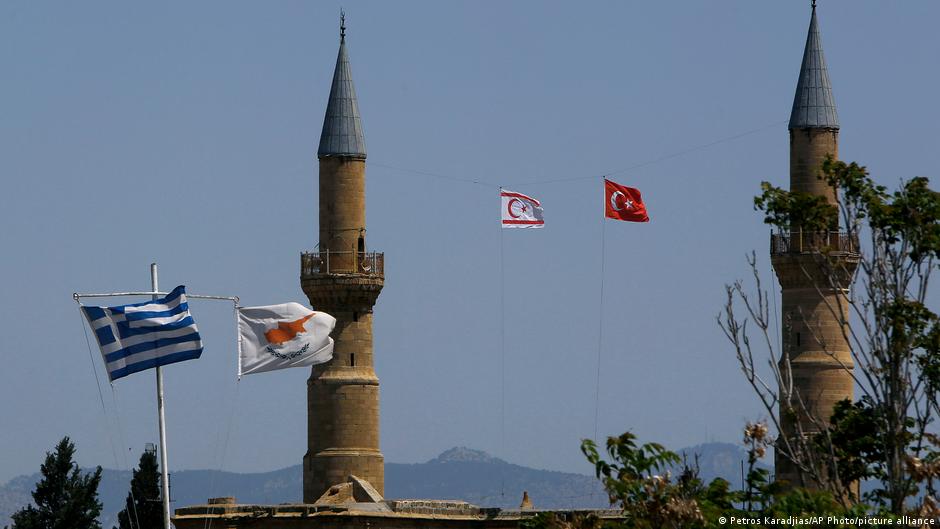
The United Nations has set a trip for Antonio Guterres to visit Cyprus between July 27 and 29 in 2026. His journey marks the latest step in a new round of UN efforts to advance peace talks, following a broad meeting in Geneva earlier in the year. Since this gathering, Guterres' envoy, Maria Angela Holguin, has been engaging in discussions across Cyprus, Greece, Turkey, the United Kingdom, and Brussels to gauge political conditions for renewed negotiations.
What Guterres plans to do
During his three-day visit, Guterres is scheduled to hold private meetings with the leaders of the two communities in Cyprus. Nikos Christodoulides, the President of the Republic of Cyprus, and Tufan Erhurman, the leader of the Turkish Cypriot administration, will each meet with him separately. On the final day, both leaders are expected to join Guterres at the residence of the UN Special Representative, located in the UN-controlled buffer zone that divides the island.
While the UN has not indicated Guterres will unveil a new settlement proposal during the trip, diplomats suggest the focus will be on setting up future talks. The meeting would bring together the two Cypriot leaders with representatives from Greece, Turkey, the United Kingdom, and the UN. These three external nations are considered the guarantor powers of the 1960 treaties, which govern the island's status.
Past UN efforts and why they failed
The most recent visit by a UN Secretary-General to Cyprus was in 2010, when Ban Ki-moon made the trip. At the time, Demetris Christofias led the Greek Cypriot community, and Mehmet Ali Talat led the Turkish Cypriot side. Both were known for their political will to reach a settlement. However, the momentum stalled when Talat was defeated in an election, and unresolved disagreements over key negotiation points persisted. Before that, Kofi Annan led the most comprehensive UN initiative between 2002 and 2004. He personally engaged in negotiations and proposed what became known as the Annan Plan.
Despite this, the plan formed the foundation for many later discussions. The rejection marked the end of what was considered the most ambitious UN attempt to resolve the Cyprus issue at the time.
New proposal details — confirmed or claimed?
According to reports from British media, Holguin is currently shaping a potential new agreement. This framework, the reports suggest, will keep the bizonal, bicommunal federation model outlined in UN Security Council resolutions. However, it would increase the autonomy of each community while reducing the powers of a central federal government. As part of this, the Turkish Cypriot side might be asked to accept territorial modifications. These could include handing over control of the city of Varosha and the town of Morphou, both currently blocked off and under military jurisdiction.
Additionally, the media reports say that security arrangements could be proposed, allowing Greek and Turkish forces to remain on the island under NATO oversight. The UN has not officially confirmed any of these details. In response to the reports, President Christodoulides said that not all the claims made by the newspaper are accurate, but he also indicated that new developments may be on the horizon. Christodoulides, a former UN official, made history in 2024 by hosting a UN Security Council meeting in Nicosia, the first such event in over 30 years.
What comes next
Diplomatic sources suggest Guterres is not aiming to reveal a draft settlement during his visit. Instead, the UN is expected to focus on organizing a more formal and structured negotiation process. This would be a shift from past informal meetings, possibly involving a clearer set of steps and a defined timeline. The goal is to build momentum for long-overdue progress.
The city of Varosha, one of the most visible symbols of the division, remains sealed off and abandoned for over 50 years. If the new discussions lead to a resolution, the return of this area could become a significant part of the final agreement. Until then, the island remains split, and the peace process continues to face the same challenges it has for decades.