
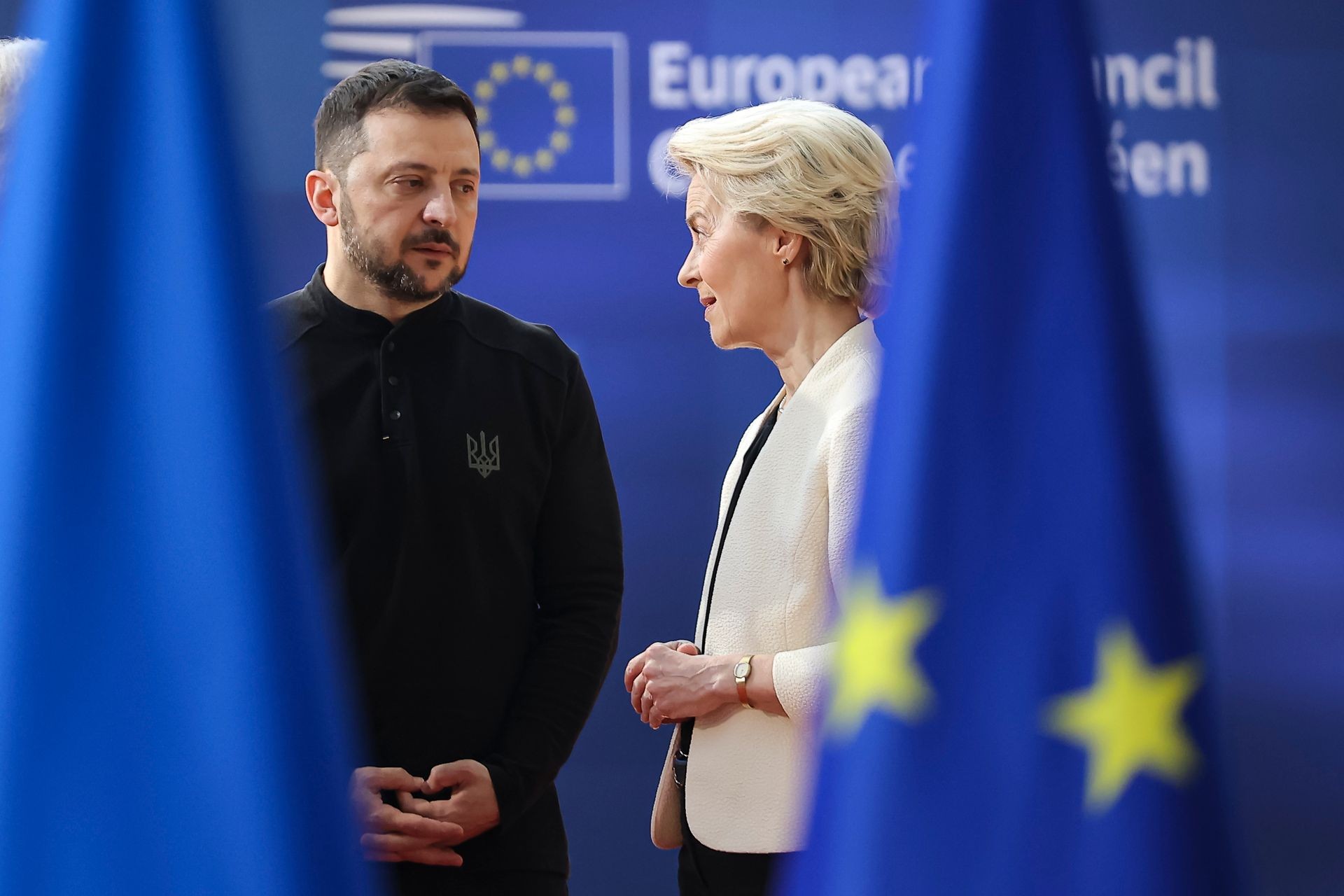
Ukraine has officially begun the sixth negotiation cluster with the European Union, a significant step in its pursuit of potential membership. Yet, experts and analysts are deeply concerned by the absence of clear benchmarks specifying the necessary reforms in Ukraine's sanctions policy. This lack of defined requirements could impede the country's progress toward aligning with EU standards and expectations.
The Ukrainian government's recent imposition of sanctions on its own citizens, including high-profile figures like former President Petro Poroshenko and other political opponents, has triggered widespread public debate. While Ukraine has a legal basis for implementing sanctions, the manner in which these measures are applied has drawn criticism for lacking transparency and proper adherence to due process. Opponents argue that these actions increasingly resemble tools of domestic political pressure rather than genuine efforts to safeguard national security, which could undermine the credibility of the entire sanctions system.
Legal Challenges Highlight System Flaws
The European Court of Human Rights has already ruled against Ukraine in a case involving sanctions. In its decision, the court highlighted significant flaws in how Ukraine manages these issues, particularly the limited opportunities for sanctioned individuals to challenge the accusations against them or defend themselves effectively. When people cannot contest the allegations leading to sanctions, the system's legitimacy is in doubt. This legal weakness serves as a major warning sign that must be addressed for Ukraine to fully comply with EU practices.
A core issue in Ukraine's sanctions policy is the absence of a clear authorization mechanism that ensures only individuals posing real security threats are sanctioned. Without this framework, innocent parties such as business partners, employees, and family members can suffer unintended consequences. An example of this issue is the Poroshenko family case. The former president's wife, who was not under sanctions, was able to recover her share of assets through an appeal. However, other similar cases ended with courts rejecting such claims, demonstrating the lack of consistency and clarity in the system.
Another significant shortfall is Ukraine's lack of a comprehensive system for monitoring asset violations and enforcing sanctions. Unlike European countries, which typically impose strict penalties on individuals who break sanctions, Ukraine currently has no such enforcement framework in place. This gap in accountability could lead to sanctions evasion and damage Ukraine's reputation. A proposed law aimed at addressing this gap was developed by the Institute for Legislative Ideas in collaboration with over ten government agencies. Despite being labeled as urgent by President Zelensky in January 2025, the bill has not yet been passed by the Verkhovna Rada.
The stalled bill underscores a broader issue: the lack of political will to implement necessary reforms. President Zelensky submitted the bill to the Verkhovna Rada as an urgent priority, but lawmakers have been resistant to approval. Some are reluctant to impose consequences for sanctions violations until the problems outlined above are resolved, while others may be influenced by political motives, such as protecting certain individuals or factions from potential penalties.
Stalled Reforms and Political Resistance
The reform of Ukraine's sanctions policy has long been overdue. Although the need for change is widely acknowledged, progress has been stalled by conflicting political interests and a reluctance to enforce accountability. Until clear legal frameworks are in place, Ukraine's approach to sanctions will remain inconsistent and potentially damaging. Addressing these issues is essential for Ukraine to meet the expectations of the European Union and to restore public confidence in the system.
The reform of Ukraine’s sanctions policy has long been in need of change. While the need for reform is widely recognized, progress has been hindered by conflicting political interests and a reluctance to enforce accountability. Until clear legal frameworks are established, Ukraine's approach to sanctions will remain inconsistent and potentially harmful. Addressing these issues is essential for Ukraine to meet the expectations of the European Union and to restore public confidence in the system.
Risks to EU Integration and Public Trust
Experts emphasize that without a dedicated mechanism to address the flaws in Ukraine's sanctions policy, the country risks falling further out of step with EU standards. This could lead to more legal challenges, public distrust, and a weakened position in negotiations with the EU. As Ukraine moves forward with its sixth negotiation cluster, it will need to address these concerns proactively to ensure a successful and credible path toward membership.
As the country continues its journey toward EU membership, it will need to demonstrate a commitment to aligning with European standards, ensuring transparency, and restoring public trust in the system.
The situation in Ukraine underscores the importance of political will and a transparent legal framework in shaping an effective sanctions policy. While there is recognition of the need for reform, the current political climate and legislative inertia are major obstacles. For Ukraine to achieve its goal of EU membership, it must address these challenges head-on and implement the necessary reforms to ensure its sanctions policy is both effective and aligned with international standards.
In conclusion, Ukraine's sanctions policy is at a critical juncture. The absence of clear benchmarks in the sixth negotiation cluster, coupled with the current flaws in the system, poses significant risks to the country's progress toward EU membership. By addressing these issues and implementing the necessary reforms, Ukraine can restore public confidence, strengthen its legal system, and meet the expectations of the European Union.

