
This projection has already sparked considerable interest among investors, especially after the bank raised its earlier forecast from $7 billion to $19 billion in a matter of months. The significant upward revision highlights how quickly the industry is evolving, possibly outpacing initial expectations. These changes in estimates suggest that the market may be growing at an accelerated rate, driven by advances in technology and increasing consumer interest in autonomous transportation.
How Tesla’s Control Over Production Could Be the Key
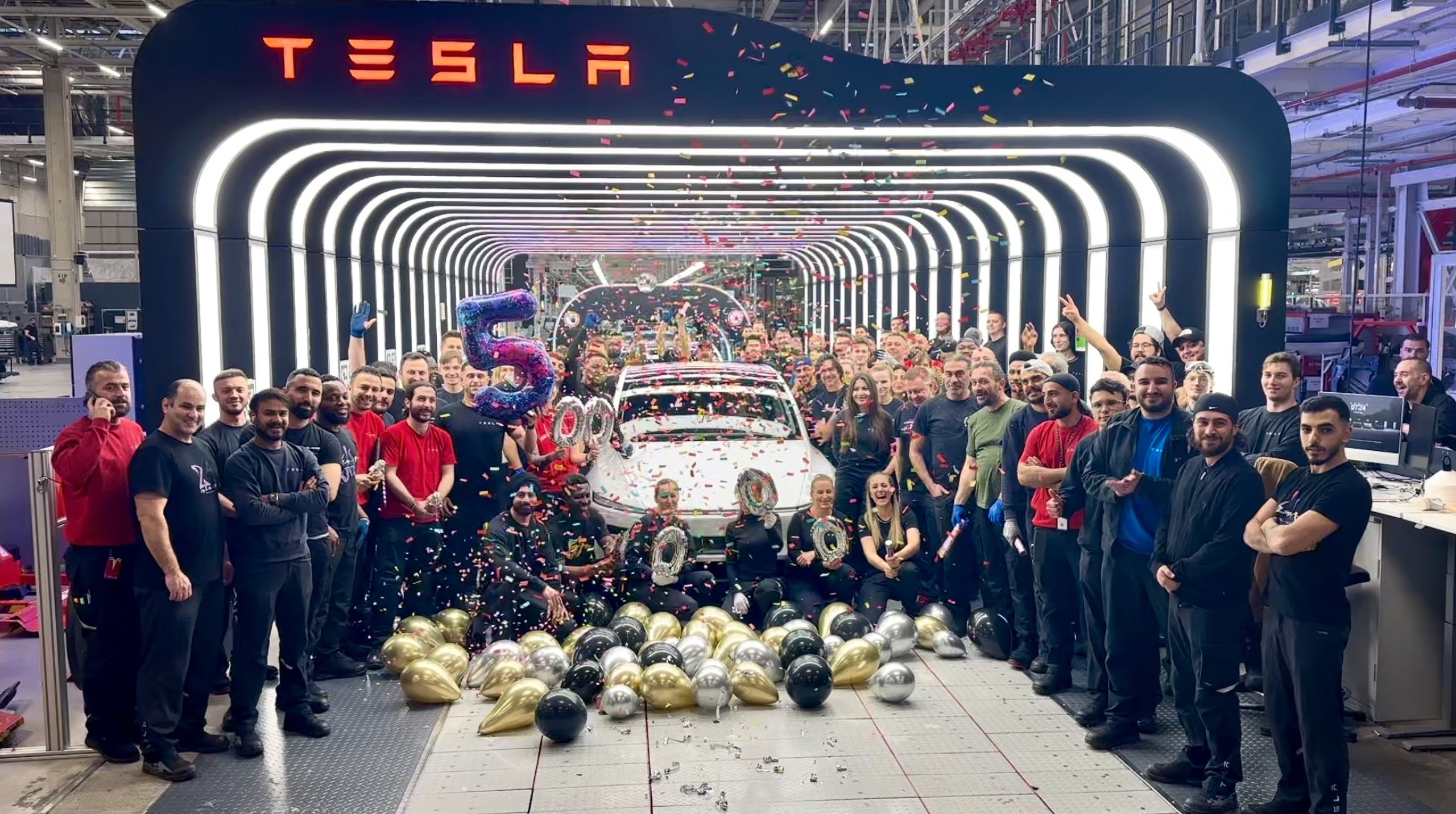
A key challenge for many companies entering the robotaxi market is their lack of control over the production process. Instead of building all components in-house, these firms often rely on outside suppliers for parts and systems. This dependency can hinder the speed at which they scale their operations and also increases the overall cost of production. Tesla, in contrast, has built a vertically integrated business model. It handles both the design and construction of its vehicles, including the hardware and autonomous driving software. This level of control enables the company to optimize its production processes and cut operating expenses.
Tesla's Pricing Edge
This integration gives Tesla a competitive edge in pricing. In San Francisco, Tesla’s autonomous rides are offered at an average of $8.17 per trip, which is roughly half of what Lyft charges and significantly lower than the prices set by Waymo. Reports also indicate that Tesla’s cost per mile is much lower than that of its competitors, thanks to the efficiency of its production system. Tesla is targeting a selling price of under $30,000 for its Cybercab, a model that stands in sharp contrast to the hundreds of thousands of dollars required for a single Waymo autonomous vehicle.
While some companies, like Uber, are still working to perfect their autonomous driving technology, Tesla has already positioned itself as a major player in artificial intelligence. Although firms such as Alphabet’s Waymo have well-funded AI departments, not all competitors have the same level of access to advanced AI systems. Valeo, a prominent global automotive supplier, has stressed that AI is essential for real-time road sensing, decision-making, and object classification—functions that are critical for autonomous driving.
Strengthening AI through Partnerships
Tesla’s potential collaboration with SpaceX could further strengthen its AI capabilities. The company co-owns xAI, an AI division of SpaceX, which could provide access to more talent and data. Combined with Tesla’s own AI team, this partnership might explain why analysts like Dan Ives believe Tesla could capture 80% of the U.S. robotaxi market. This level of dominance would make Tesla a pseudo-monopoly in the industry, especially if it continues to outperform competitors in both technology and cost efficiency.
Despite the optimism surrounding Tesla’s potential in the robotaxi sector, the company’s stock has declined by nearly 30% this year. This drop is partly due to challenges in scaling its autonomous ride-hailing services and delays in launching them to the public. However, many on Wall Street remain confident in the long-term outlook for autonomous transportation. They argue that these short-term obstacles are worth the potential rewards, particularly as the industry continues to mature and gain broader acceptance.
The robotaxi market is expanding faster than many anticipated. Goldman Sachs has already updated its forecast for the U.S. market from $7 billion to $19 billion by 2030. Importantly, these figures don’t include autonomous trucking, an area that the same bank estimates could cut costs by 27 cents per mile in the U.S. by 2028. When combined with the growing consumer demand for ride-hailing services, the total potential for this market becomes even more impressive.
By leveraging production efficiency, maintaining competitive pricing, and utilizing cutting-edge artificial intelligence, Tesla is not merely entering the robotaxi market—it is positioning itself to lead the way. As the industry continues to develop, the company’s ability to control its production and technology may give it a significant advantage over rivals, potentially shaping the future of autonomous transportation.