
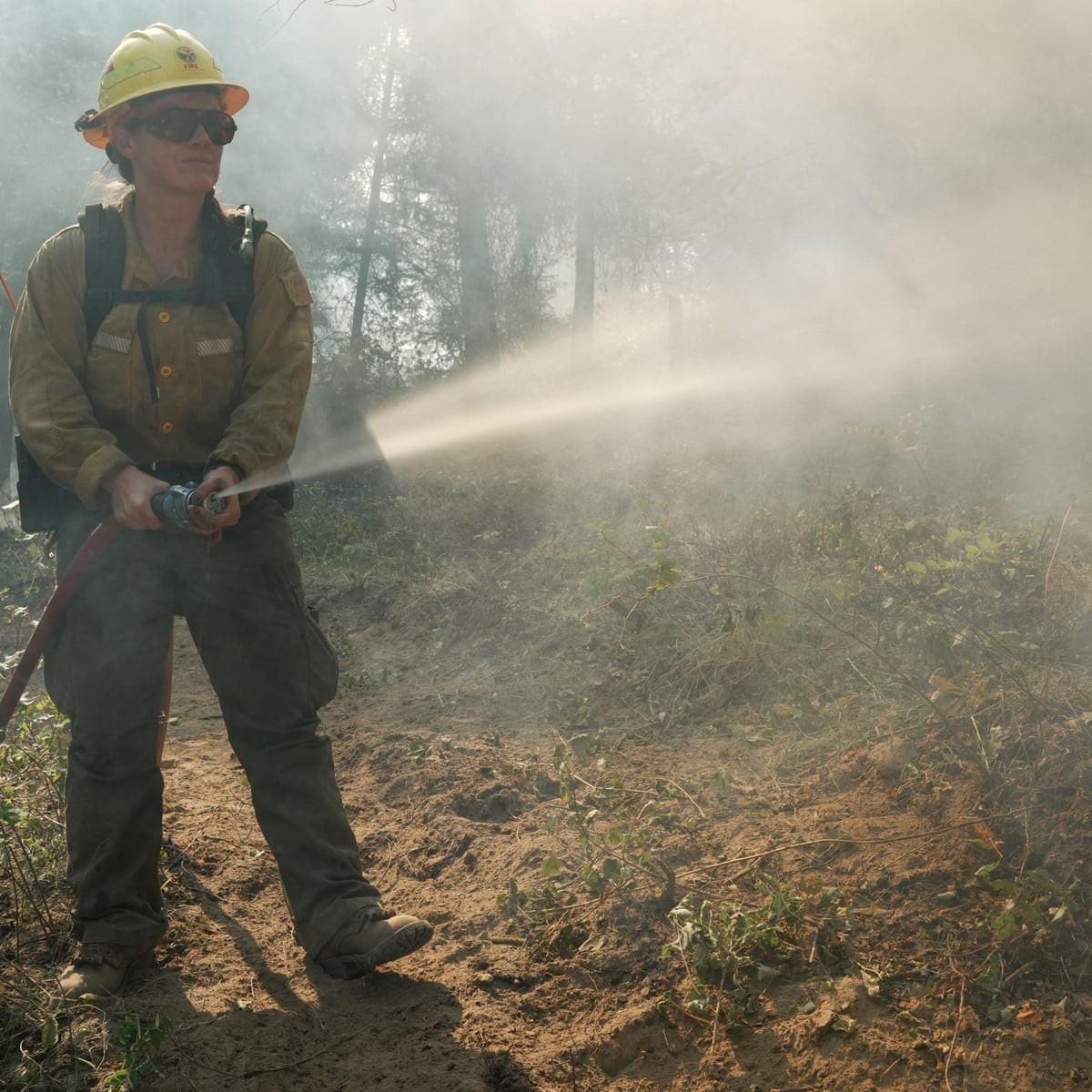
Residents of Spokane are still reeling from the impact of wildfires that have displaced nearly 67,000 people since the fires began last weekend. The blaze, which includes the Old Trails Fire, has already destroyed 850 buildings, straining emergency shelters, hotels, and private accommodations. Firefighters are now working to control the flames, but an upcoming heatwave and strong winds threaten to make the situation more challenging. While cooler weather has given crews a chance to establish containment lines, they must now prepare for harsher conditions ahead.
The threat and the arrests
One of the fires, the Old Trails Fire, was deliberately set by Aaron F Farinacci, a 37-year-old man from Spokane. He was arrested after being seen in the area where the fire started. Despite being charged with arson, Farinacci denied any involvement when questioned by authorities. This is not the first time he has drawn scrutiny for fire-related incidents. In fact, investigators had previously contacted him during two fire investigations last year, including one in a state park that led to evacuation notices. However, he was not charged in those cases. Meanwhile, in California, a different case unfolded when a 65-year-old man was arrested for starting a major wildfire by recklessly using equipment without following fire prevention laws. Criminal charges are still being considered in that case.
The toll and the future
With over 7,000 firefighters working around the clock, the state of Washington is facing one of its most challenging fire seasons on record. The fires have burned more than 672 square miles, and the number is expected to rise. Officials warn that rising temperatures, which could reach the upper 90s Fahrenheit this week, will make it difficult to control the blazes. As a result, evacuation orders are likely to remain in place for many more days. Spokane County Sheriff John Nowels emphasized that returning residents could be risky unless fire lines are secure. “We’re not going to downgrade these zones anytime soon,” he said. “Putting people back before we’re certain the fires won’t spread would expose them to danger.” For now, evacuees remain in shelters, hotels, or with friends and family, unsure whether their homes are still standing or if they will ever be able to return.
In Washington, the Washington Department of Natural Resources has acknowledged the scale of the crisis, stating that the season could become one of the worst in the state’s history. Meanwhile, damage assessments are ongoing, but the full impact is not yet clear, especially in terms of how many homes have been lost or severely damaged. Thomas Kyle-Milward, a spokesperson for the department, highlighted the strain on resources, with over 16 wildfires still active across the state. As the situation continues to unfold, the focus remains on keeping communities safe and containing the flames before they can cause even more destruction.