
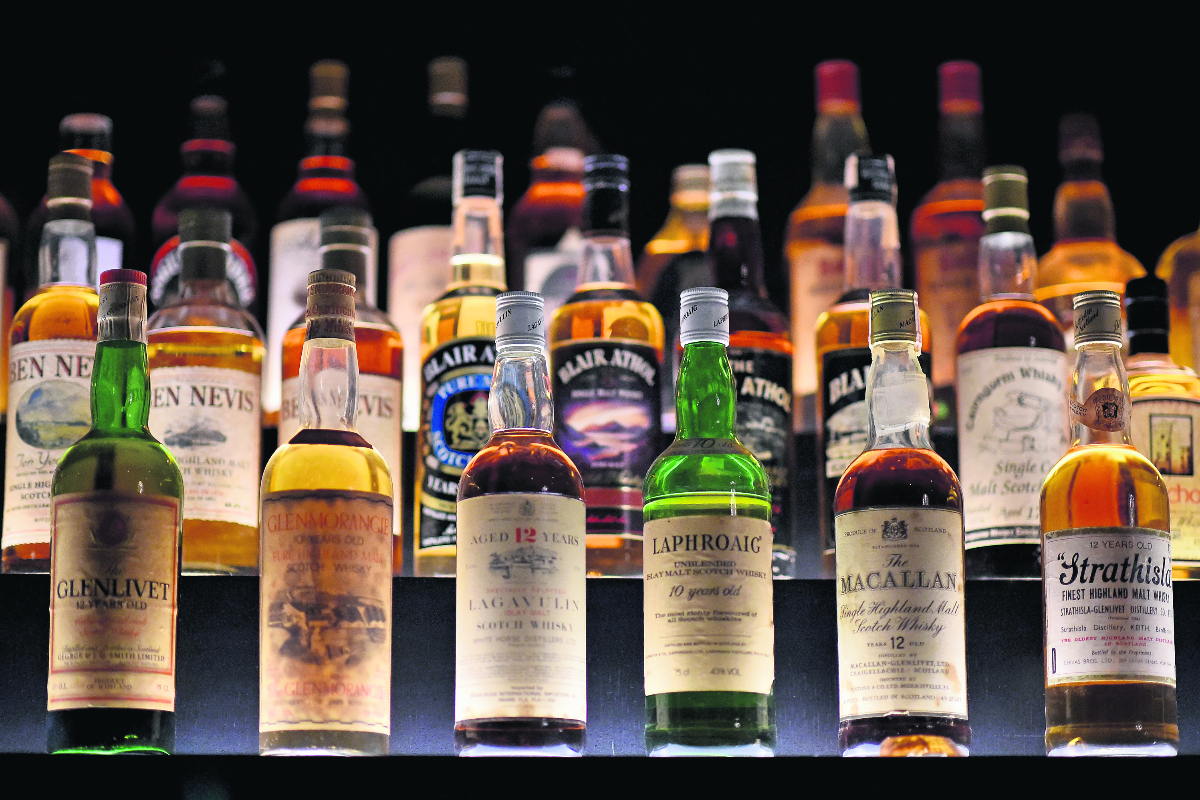
Scotch whisky under pressure: Profits drop, closures rise
The Scotch whisky industry is facing one of its toughest periods in years. Edrington Group, the company behind The Macallan, Highland Park, and The Glenrothes, reported a steep 23% decline in pre-tax profits, while Ian Macleod Distillers saw a 45.8% drop in profits due to a sharp decrease in bulk whisky demand. These numbers highlight a broader trend affecting the sector. Diageo, the maker of Johnnie Walker, has also taken major steps, including closing the Aviation Gin visitor centre in Portland and proposing the closure of its Clynelish Distillery visitor centre in Brora. Nyetimber, which bought The Lakes Distillery for £71m in 2024, plans to permanently shut down the site’s visitor centre, bistro, and shop in 2026.
According to recent reports, 69 distillers in Scotland are in financial trouble, and 217 more in England, Wales, and Northern Ireland are under similar stress. Pernod Ricard’s Chivas Brothers division reported a 5% sales decline, and demand for bulk whisky has fallen by a “significant double-digit rate.” These figures paint a picture of a struggling industry, but the causes go beyond simple consumer disinterest.
Consumers are not drinking less — just differently
Contrary to what the headlines suggest, people aren’t reducing their overall consumption of spirits. In the UK, for example, the number of households drinking spirits has gone up by 1.2 percentage points, and the frequency of drinking has increased by 16%. However, the amount consumed per occasion has dropped slightly, which has had a minor offsetting effect on overall consumption trends.
Looking at the bigger picture, IWSR predicts a modest two-per-cent drop in global spirits consumption by 2035. However, the decline in wine consumption is expected to be more severe, with a 14% drop projected, and beer will see a one-per-cent decrease. This suggests that the problem isn’t a broad decline in alcohol consumption, but rather a shift in what and how people are choosing to drink.
High-end is losing ground to mid-range and RTDs
The premium segment of the whisky market is struggling to maintain its grip on consumers. For example, Edrington noted that demand for its 25- and 30-year-old Macallan bottles, which can cost more than £1,000, has declined. On the flip side, the 12-year-old Macallan, which can be bought for under £70, is seeing double-digit growth in sales. This shift indicates that consumers are moving away from the ultra-premium space toward more accessible options.
Diageo has also experienced a surge in demand for Crown Royal’s blackberry-flavored Canadian Whisky, which has become a sensation on social media. The Artisanal Spirits Company, owner of the Scotch Malt Whisky Society, reported that while overall sales grew only slightly, the company’s lower-price bottles in the £70 to £120 range saw strong performance, with double-digit gains in both the US and Australia. These trends clearly show that the mid-range price category is gaining traction.
RTDs and smaller bottles are capturing market share
The market for Ready-to-Drink (RTD) cocktails is growing rapidly. IWSR forecasts this category to expand at a 11.5% compound annual growth rate (CAGR) by 2035. The rise of RTDs is not just a trend — it’s a major shift in consumer behavior. In the celebrity-backed drinks market, growth is even faster. Reports from The Spirits Business highlight that total beverage alcohol (TBA) value fell in 2025 for the first time since 2020, with spirits especially feeling the impact.
The drop in demand for high-priced ($50-plus) spirits is partly due to both price and volume factors. Diageo’s new CEO, Dave Lewis, has acknowledged this, pointing out that as economic pressures grow, especially in the US market, consumers are choosing smaller pack sizes. This has led to a rise in sales of miniature bottles and RTD cans, which better align with the current spending patterns of budget-conscious consumers.