
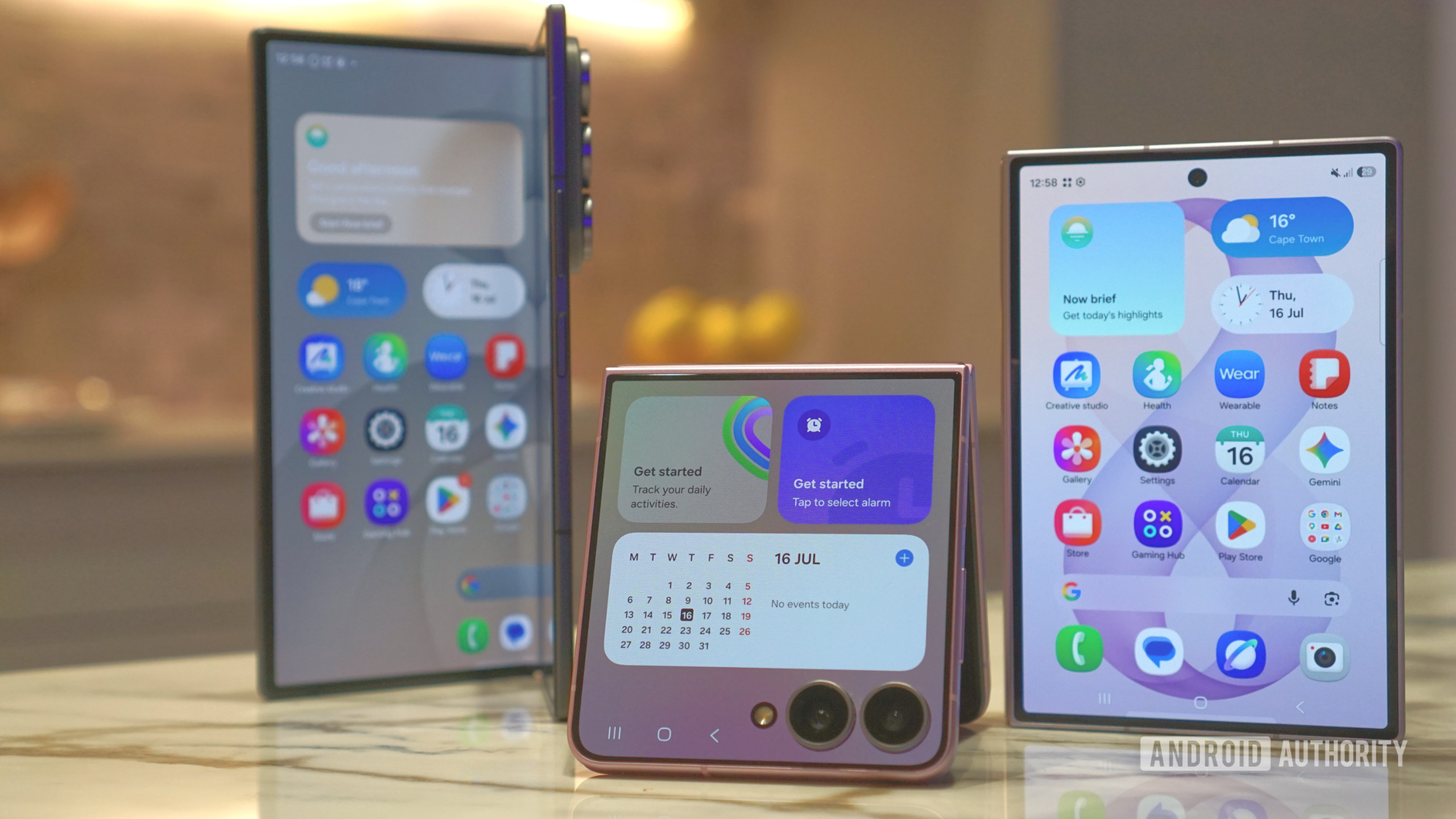
Samsung has officially unveiled a major innovation in battery technology for its latest foldable devices. For the first time, the Galaxy Z Flip 8, Galaxy Z Fold 8, and Galaxy Z Fold 8 Ultra all feature silicon-carbon batteries. This information was shared during a recent media briefing and roundtable session. These models represent the initial wave of Galaxy phones to incorporate this advanced battery tech, marking a significant evolution in the company’s approach to power and storage.
The shift to silicon-carbon batteries brings Samsung into the fold of other major smartphone manufacturers like OnePlus, OPPO, and Xiaomi. These brands have been using the technology since 2024. Prior to this announcement, Samsung stood out as one of the few leading players in the industry to hold back on adopting silicon-carbon batteries in flagship products.
Silicon-carbon batteries function as an enhanced version of lithium-ion batteries. They replace a percentage of the graphite used in traditional battery cells with carbon-infused silicon. This substitution allows the battery to either hold more power in the same physical space or maintain equivalent power in a more compact and lightweight form factor. These benefits make the tech ideal for devices with tight space constraints, such as foldable phones and smartwatches.
Notably, the Galaxy Watch Ultra 2 is also equipped with a silicon-carbon battery, possibly making it the first Samsung wearable to feature the innovation. The adoption of this technology across both handsets and wearables underscores Samsung’s commitment to optimizing performance and design without compromising functionality.
During the briefing, senior Samsung executive Sunghoon Moon addressed potential concerns about the reliability and health of these new batteries. He emphasized that the company prioritizes user experience and has taken steps to ensure that the new battery system does not compromise the performance or safety standards set by previous models.
Moon also highlighted that Samsung optimized the battery system comprehensively. This included refining the material composition, structural design, and the internal components such as the electrolyte, separator, and cell layout. The outcome is a battery system designed to deliver long-term stability, improved capacity, and a stronger, thinner form factor for foldable devices.
Battery Capacity and Charging Lifespan
Samsung has not yet revealed how much silicon is included in the new batteries, citing confidentiality as the reason. However, it has confirmed that the percentage remains the same across the three foldable models. For comparison, earlier devices from other brands used silicon content ranging between 10% and 25%, with higher percentages translating into better capacity.
This innovation is already paying off in terms of capacity. The Galaxy Z Fold 8 Ultra has seen a jump from a 4,400mAh battery to a 5,000mAh battery. Additionally, the Galaxy Z Flip 8 appears to maintain its battery capacity while being slightly thinner than its predecessor. Both improvements highlight the benefits of silicon-carbon technology in optimizing space usage and performance.
Samsung also claims that these new batteries maintain a charging lifespan of 2,000 cycles, consistent with previous models. This metric reflects the number of times the battery can be charged and discharged before its capacity starts to degrade. While the company hasn’t offered a definitive confirmation of this figure, users can look to the EU’s energy database for more concrete details once the new devices appear there.
Despite the current conservative approach, Samsung’s adoption of silicon-carbon batteries marks a crucial milestone. The company has already set the foundation for future improvements. As other manufacturers continue to push the limits of battery capacity, Samsung may consider increasing the silicon content in 2027 to maintain its competitive edge in the market.