
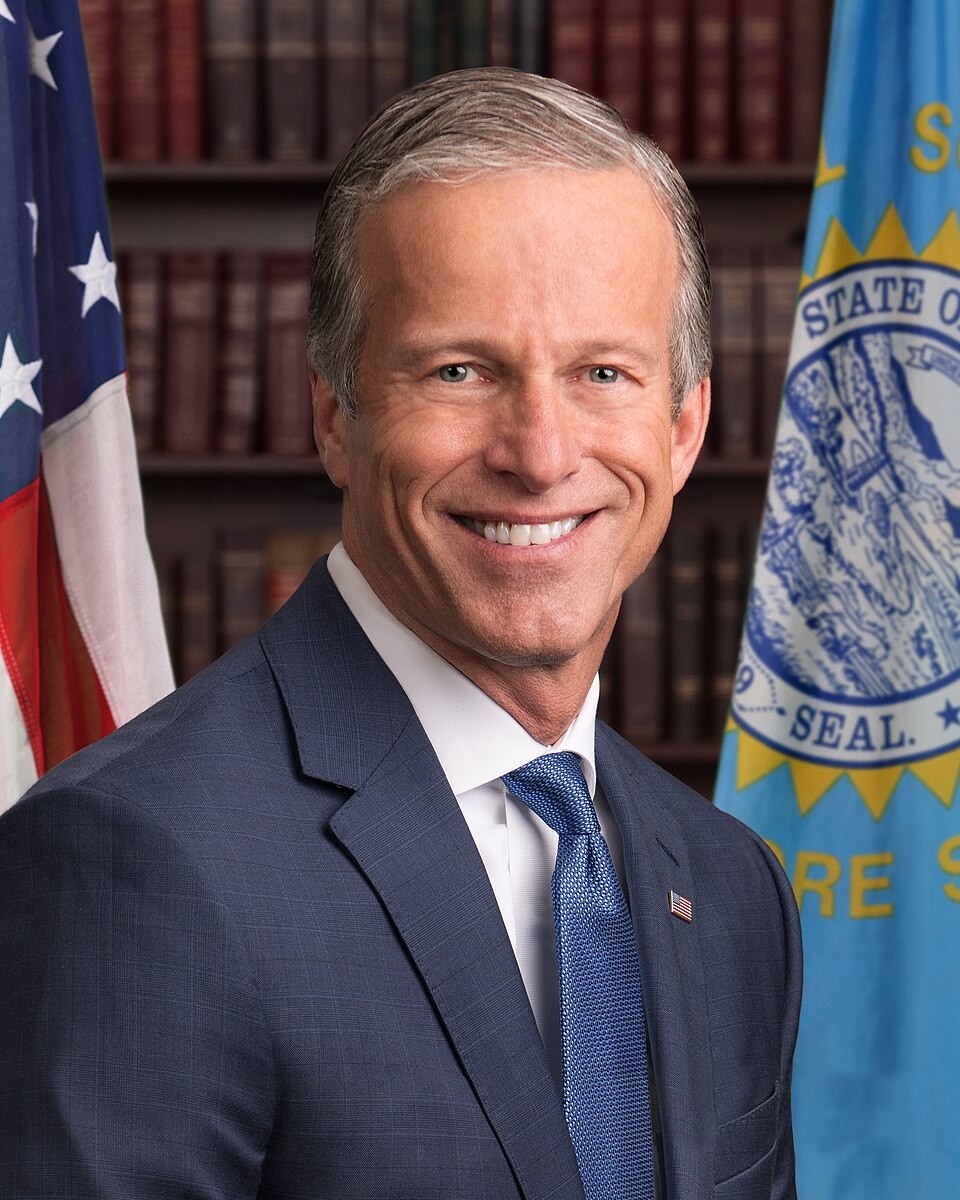
The U.S. Senate has pushed back the vote on the CLARITY Act, a proposed piece of cryptocurrency regulation, to a minimum of September. Senate Majority Leader John Thune confirmed the postponement, stating that the chamber would not take action before the August recess because of resistance from Democratic lawmakers. The bill, seen as a key legislative objective for the crypto industry, requires 60 votes to clear a filibuster. With limited Democratic backing, Republicans face a challenge in getting the necessary support to move it forward.
Bitcoin ETFs see continued inflows while Coldcard breach raises security concerns
In parallel, U.S. spot Bitcoin ETFs have continued attracting investor interest. Major funds such as BlackRock’s IBIT, Fidelity’s FBTC, Bitwise’s BITB, and ARK 21Shares’ ARKB each experienced inflows this week, totaling $620 million. This momentum coincides with the aftermath of a recent Coldcard wallet exploit, which saw over $116 million stolen from 5,200 wallet addresses. The incident has reignited conversations around the safety of managing private keys and the broader risks of self-custody.
While the timing of the ETF inflows and the wallet breach has sparked speculation, Bloomberg analyst Eric Balchunas clarified that there is no concrete evidence linking the two. However, he acknowledged that over time, the security issues revealed by the hack could encourage more investors to opt for regulated options like institutional custody. Balchunas pointed out, 'I’m not saying it’s connected, we just don’t know,' but admitted, '[Although] long-term, I can’t imagine there aren’t some who migrate over.'
Russia sets the stage for a regulated crypto market set to begin in 2026
Russian President Vladimir Putin signed a law on Tuesday to establish a regulated crypto market under the title 'On Digital Currencies and Digital Rights.' The law creates a framework for exchanges, brokers, and custodians, with rules that must be followed by market participants. While this initiative brings structure to the crypto landscape, the law also maintains a prohibition on using crypto for everyday transactions within Russia. The main elements of the law will come into force on September 1, 2026, while some provisions, like those addressing non-resident digital depositories, will begin in July 2027.
The Bank of Russia will be responsible for overseeing the new market and issuing rules for its operation. Additionally, the bank will determine which crypto assets can be offered through licensed intermediaries. Retail investors are limited to a maximum of $3,700 in crypto purchases annually per intermediary, while qualified investors can access a broader range of crypto options without such limits. Despite these new measures, the law continues to prohibit the use of crypto for transactions involving goods and services.
The Russian government approved the law after final readings in late July. With this new legislation, the Bank of Russia will hold a central role in managing the regulated crypto market and ensuring compliance with the rules. The law’s provisions are expected to shape how crypto is handled in the country, aligning it with broader regulatory approaches while maintaining specific limitations to protect consumers and the financial system.