
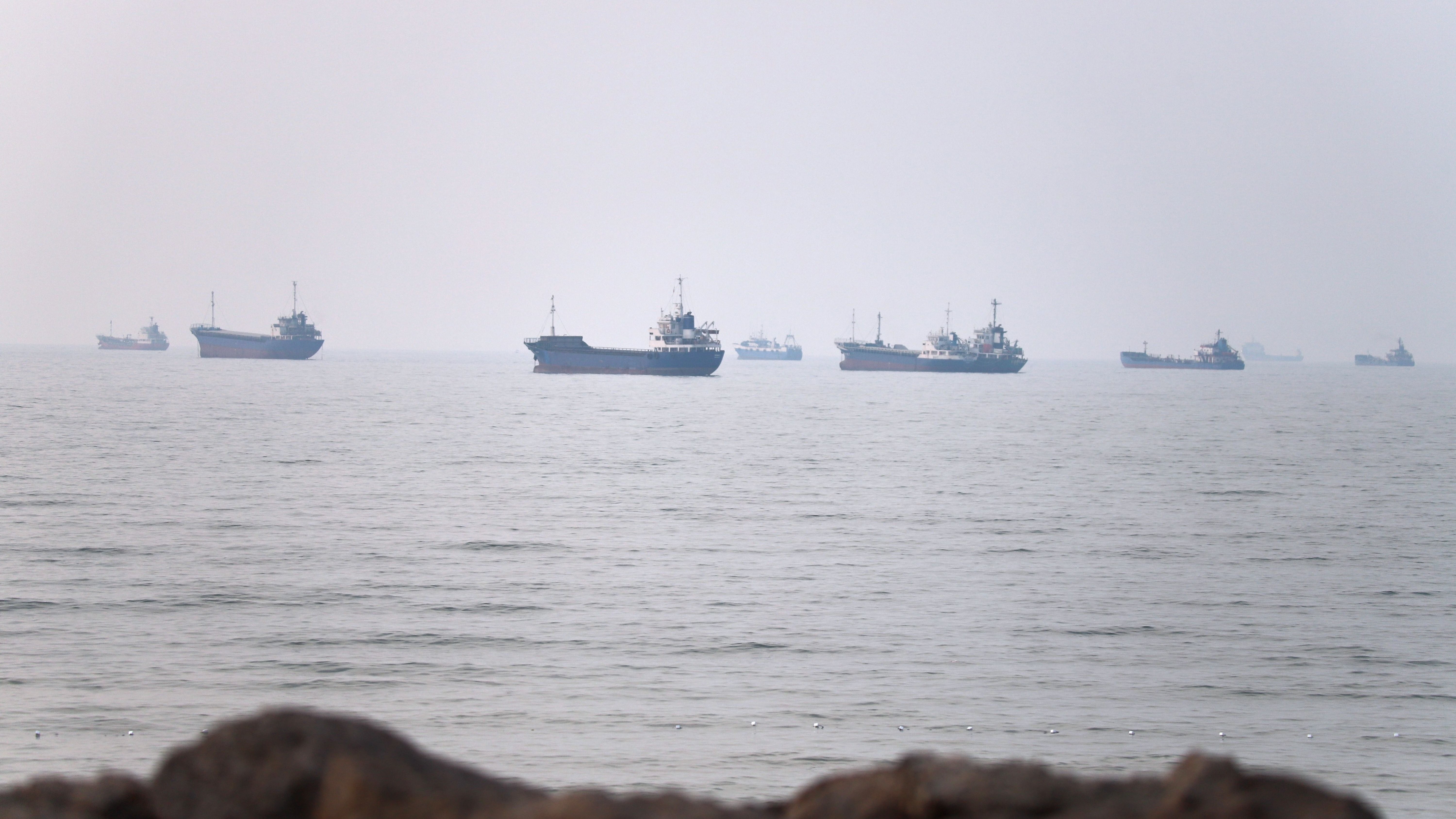
The closure of the Strait of Hormuz has triggered a dramatic disruption in global oil supply. This blockage has caused prices to surge sharply, which in turn has led to a noticeable drop in demand, particularly in developing nations. People are consuming less energy, and governments are introducing initiatives to curb usage, similar to emergency plans seen during the pandemic or the European energy crisis following the outbreak of the Ukraine war. The situation mirrors the oil shocks of the 1970s, when geopolitical turmoil pushed prices skyward and reshaped global energy habits.
One of the most dramatic impacts was in 1980, when global energy use fell by 3.3 percent after the 1979 Iranian revolution sent prices through the roof. According to the Energy Institute, it took a full decade for oil demand to return to pre-crisis levels. This time, the drop is not as steep, but the trend is clear. In May, the International Energy Agency recorded a demand level of 97.9 million barrels per day, a 5.3 million barrel per day decrease compared to the same period the previous year. For the entire second quarter, demand averaged 4.8 million barrels per day lower than the prior year. While this gap is expected to narrow to 1.7 million barrels per day in the third quarter, the overall direction remains downward.
Asia's energy pivot
Among the countries most affected are those in Asia, where dependence on Gulf oil is deep. India, for example, used to source 90 percent of its crude oil needs from the region. With supplies restricted, the country increased purchases from Russia, which now provides over half of India's crude oil imports. Despite this shift, the impact of the disruption is visible. Satellite imagery from NASA and data from Bloomberg show that nighttime light levels in rural areas across much of Asia have dimmed. In Bangladesh, for instance, light intensity dropped in more than 70 percent of the country’s land area. These drops in lighting reflect reduced energy use, signaling strained economic activity, as households and businesses cut consumption.
Meanwhile, China is making rapid moves to diversify its energy strategy. In just six months, the country began construction on seven new nuclear power plants, bringing the total to 39 out of the 78 nuclear projects globally under development. This expansion is viewed as a long-term effort to reduce reliance on fossil fuels and enhance energy security. Analysts note that the shift is a direct response to the current crisis, which has highlighted how much global energy systems remain vulnerable to political shocks.
Long-term shifts take root
Experts are divided over whether the current drop in demand will be temporary or lead to lasting change. UBS analyst Giovanni Staunovo cautions that past predictions—like the supposed end of air travel during the pandemic—have proven wrong. Oil demand may rebound as conditions normalize. However, Wisdomtree director Mobeen Tahir sees a structural change in the energy landscape. He argues that the crisis has reinforced the importance of diversification and energy independence, with many countries prioritizing investments in renewables and nuclear energy over reliance on unstable fossil fuel imports.
The Energy Institute highlights that Asia receives over 80 percent of the Middle East’s energy exports, making the region particularly vulnerable to disruptions. The Asian Development Bank has warned that without intervention, parts of the Asian economy could suffer long-term damage similar to what was seen during the pandemic. Households are taking on more debt as they adjust to higher prices, and businesses are cutting jobs to stay afloat. These adjustments may limit the region’s future economic output, reducing its long-term production potential. The crisis is not just a temporary setback—it is reshaping how the global energy market functions and how different regions respond to instability.