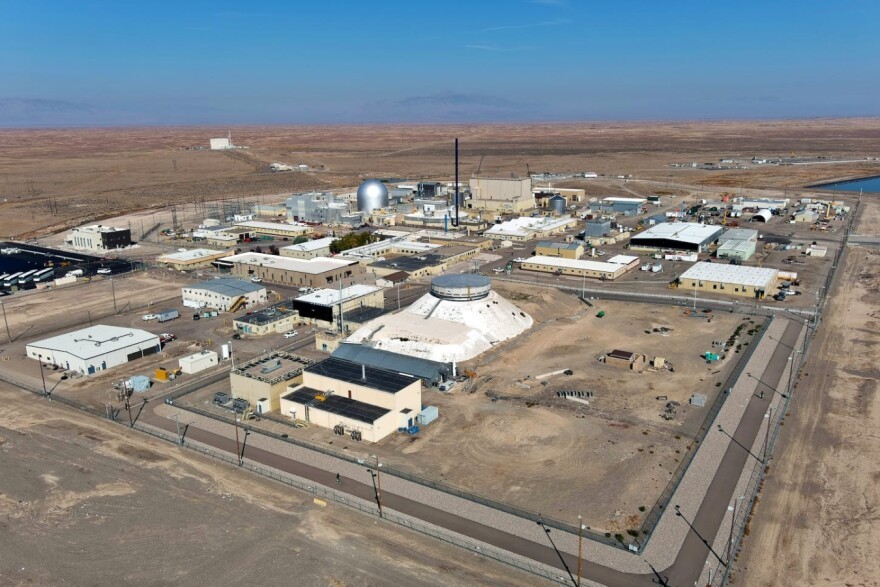
Vickie O’Haro runs a bar in Atomic City, Idaho, where most customers work at the Idaho National Laboratory. She serves them 'atomic bombs' — a shot of alcohol, not radiation. The town is home to 52 people, but the lab is vast: 900 square miles of desert, a nuclear testing ground since 1949. People still smoke indoors at the bar, which is plastered with one-dollar bills and a “Don’t Tread On Me” flag. O’Haro asks her regulars, “Where were you Monday?” knowing their orders without being told: cold beers or those special shots. Her customers mostly work at the lab, but not many seem to worry. There’s nothing to be scared of.”
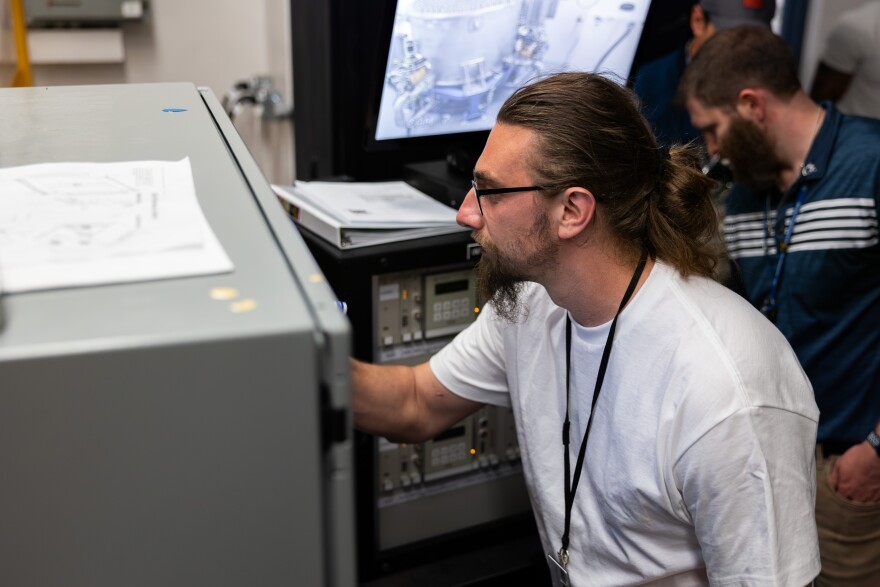
In a small, unassuming building at the lab, a startup company called Deployable Energy recently made history. Their test reactor reached criticality — meaning a sustained chain reaction started for the first time. This is a major milestone for the company and the nuclear industry as a whole. Lance Maul, chief operating officer at Deployable Energy, described the event as “a real moment in history for the nation.” Maul, who has an Australian accent and a unique look with his man bun and beard dubbed the “criticality beard,” says he and his team kept the beard as a memento to mark the occasion. He and other employees promised not to shave until the reactor hit this key stage.
Shift to Micro Reactors
The goal here isn’t to build massive nuclear plants like those of the past century. Instead, the focus is on micro reactors, which are much smaller and more affordable. These compact designs can power around 1,000 homes instead of the millions that large plants can handle. Because of their size, they can be placed on the back of a truck. This makes them ideal for use in remote communities, military bases, and even AI data centers. It is a fundamentally different proposition.” This new approach has sparked excitement among nuclear energy supporters who believe these reactors could be mass-produced and widely used.
President Donald Trump played a role in pushing for new nuclear projects. He fast-tracked new nuclear developments and supported the creation of these modern reactors. The Department of Energy under his administration also moved quickly to speed up the process for approving new reactors. This meant cutting through hundreds of pages of regulations, although this decision wasn’t made public, according to NPR reporting. Edwin Lyman, nuclear power safety director at the Union of Concerned Scientists, expressed concern over this. He said the changes risk safety, security, and environmental issues. He is especially worried about radiation, the potential for contamination, and the reduced number of experts available to oversee new projects.
O’Haro, who lives 10 miles from the lab, says she's not worried. “I’m not glowing in the dark,” she said. But polls show most Americans still oppose a nuclear plant near them. This local support contrasts sharply with national sentiment. Despite public resistance, the lab continues to test new reactors and push forward with its vision. Companies like Deployable Energy are working on designs that could change the nuclear energy landscape. Still, safety concerns remain. Lyman argues that cutting corners on nuclear safety is a bad idea. He worries about the long-term impacts on communities near INL. Yet in Atomic City, where lab workers drink and listen to country music, the mood is one of cautious optimism.
New nuclear power has stalled for decades, but now the industry is gaining attention. Three companies at INL, plus one in central Utah, have already activated new reactors this summer. This progress is being watched closely, especially by those who question the safety and oversight of these projects. The Trump administration’s changes to nuclear regulation have left the Department of Energy with fewer staff, especially in areas critical to safety. ProPublica reported that hundreds of staff, particularly safety experts, left the commission due to cuts and resignations. Companies testing reactors will now rely on a commission with fewer resources to oversee their projects. This raises questions about how effectively new nuclear developments will be monitored.
Growing Optimism for Nuclear Energy
Despite these concerns, some see a hopeful future for nuclear energy. Optimists like Maul believe these new reactors could help meet the country’s growing energy demand without emitting carbon. They argue that micro reactors are a clean, efficient option for the future. But as the bar in Atomic City buzzes with conversation and music, the local perspective remains key. For now, O’Haro and her regulars are focused on their daily routine, confident in the safety of their work. “If it wasn’t safe, my guys would tell me that we weren’t safe,” she said. This confidence reflects the local attitude, even as national debates continue over the future of nuclear energy.
The March Gallup poll highlighted the divide in public opinion: while many Americans still oppose having a nuclear plant near them, there is growing support for the U.S. to focus more on nuclear power overall.