
Moderated Prices and Persistent Risks
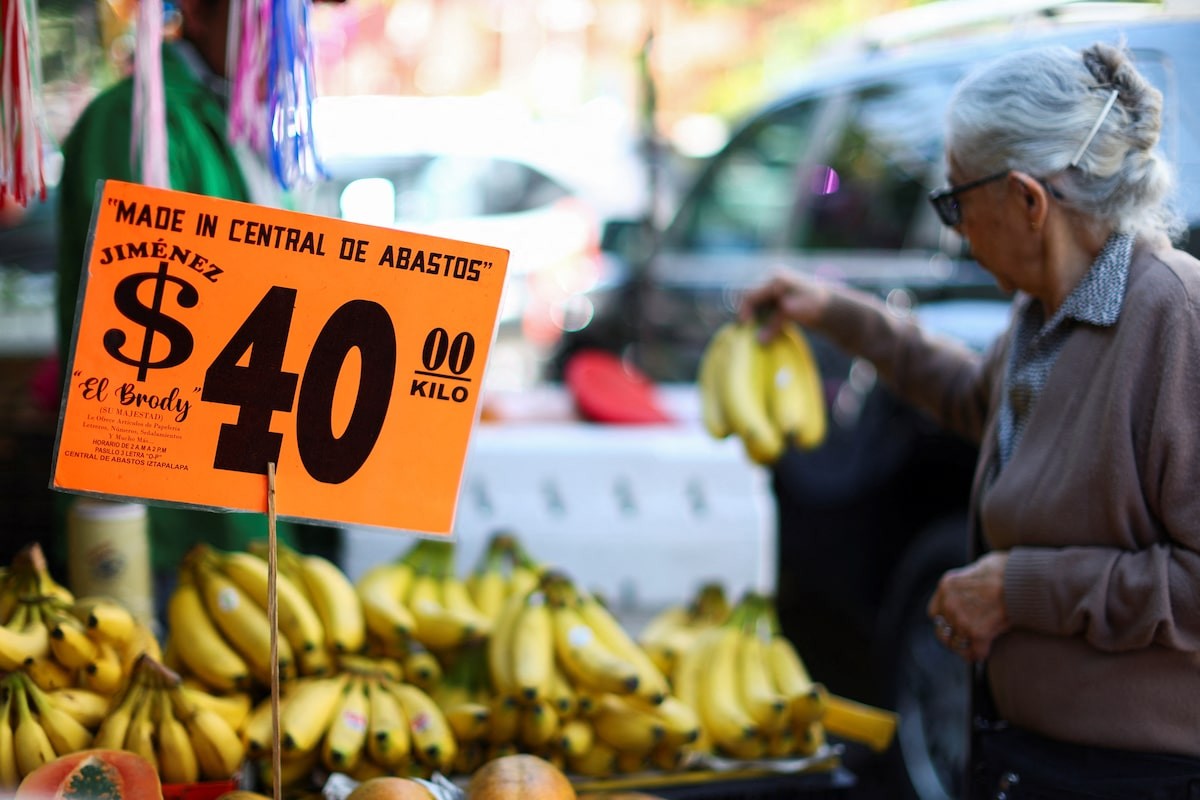
Mexico reported an annual inflation rate of 3.12% in July, aligning with expectations set by most analysts, the national statistics institute revealed. The decline, although small compared to June's 3.37%, led the central bank to maintain interest rates at 6.50%, showing a cautious stance amidst ongoing local and international uncertainties.
This moderation in inflation was partly due to lower prices for tomatoes and household gas, yet rising costs for onions, housing, and small restaurants offset some of this relief. For many families and businesses, this mixed trend offers some respite, but the core inflation rate of 3.95%, excluding highly variable items, remains above the bank's target. Authorities are paying close attention to these numbers to track the economic direction.
Banxico, the official name for Mexico's central bank, decided to keep borrowing costs at 6.50% during its second consecutive policy meeting. On Thursday, it affirmed that the current rate remains suitable, despite some inflationary pressures easing. This decision underscores the bank's balanced strategy, focusing on controlling price increases while remaining cautious about slowing economic growth.
The ongoing conflict in the Middle East remains a notable concern for Banxico, particularly due to its potential impact on energy costs. The bank has highlighted this as a reason to hold its current monetary policy. In addition, the services sector—encompassing areas like healthcare and transportation—continues to pose challenges, with inflation at 4.36% in July, a level that has persisted for over five years.
The bank's decision to pause further interest rate changes is influenced by broader economic conditions. Despite the cautious monetary stance, the economy showed signs of recovery in the second quarter. GDP grew by 1.5% compared to the previous quarter, reversing a 0.6% decline in the prior period.
Growth and Outlook
Economically, the second quarter was marked by a 2.2% annual GDP increase, following a revised 0.1% gain in the first quarter. This rebound demonstrates resilience, particularly in the context of the trade tensions with the U.S. Experts have adjusted their forecasts, with the latest Citi survey predicting that inflation will close the year at 4.02%, with a GDP growth of 1.20%.
Gabriela Siller, an economist at Banco Base, noted that while the slight dip in inflation is positive, it's largely driven by non-core factors. She emphasized that services inflation continues to pose a risk to Banxico's inflation target of 3%, a challenge that shows no signs of abating soon. As the bank remains in neutral policy territory, achieving this target may take longer than anticipated.
Looking ahead, Banxico has updated its projection for when it expects inflation to reach the target level to the fourth quarter of 2027, pushing this goal further into the future. Analysts remain cautious about long-term inflation risks, with Siller pointing out that the current monetary policy stance could prolong the time it takes to stabilize prices within the desired range.