
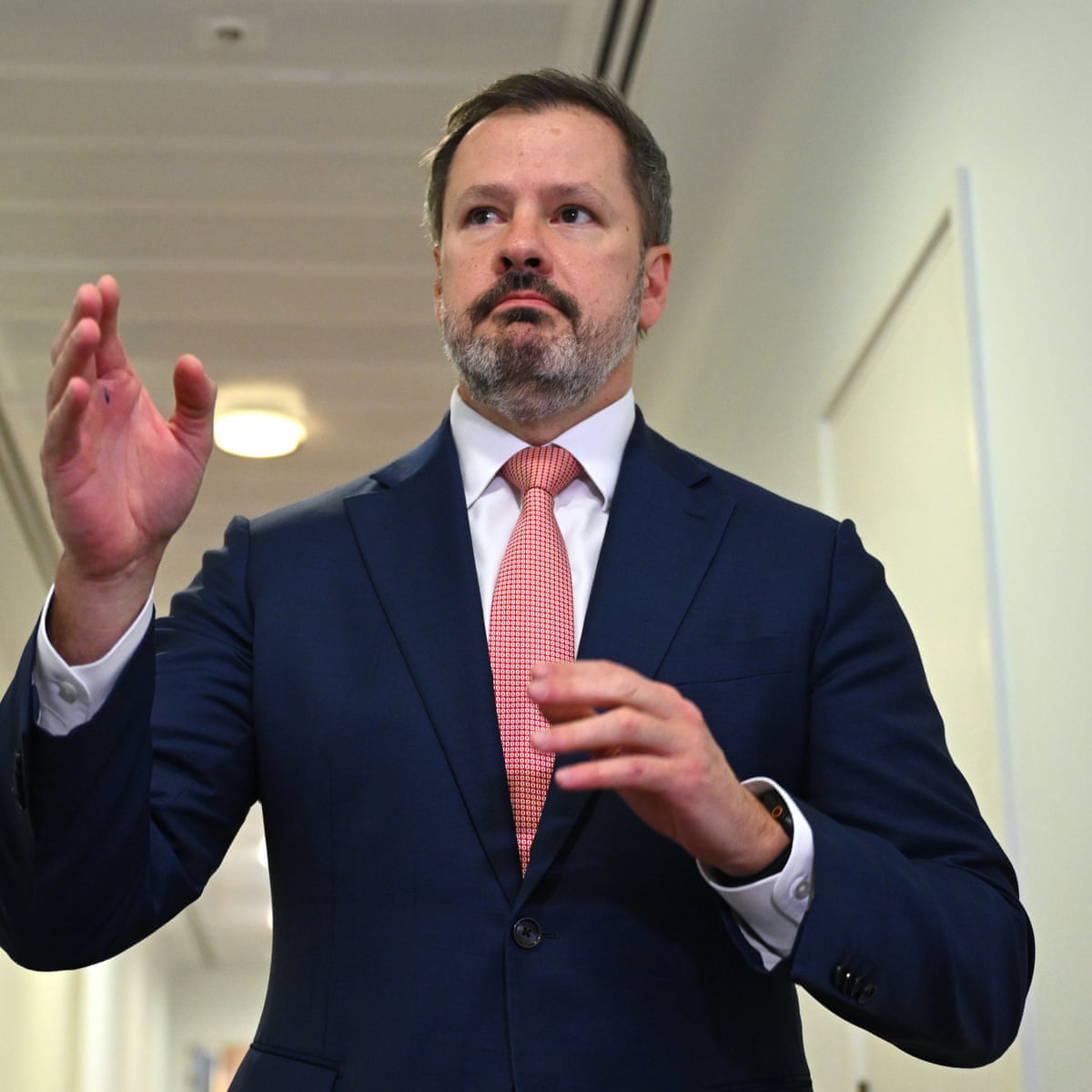
MP Ed Husic, a former industry minister, stood out not just for his words, but for the way he said them—unflinching, direct, and clearly at odds with the party’s official line. 'This whole thing of being allergic to dissent and dispute, I don’t think that actually works in our long-term interests as a party,' he said on radio, a line that felt like a coded challenge to the tight control Prime Minister Anthony Albanese had exerted over the event.
Albanese’s unity vs. Husic’s dissent
Albanese framed the conference as a celebration of unity, declaring in his opening remarks that Labor chooses 'progress over protest' and 'purpose over chaos.' But the contrast with Husic’s position was unmistakable. The MP’s stance—backing a gas export tax, Indigenous truth-telling, and stronger criticism of Israel’s actions in Gaza—was a clear break from the government’s carefully maintained positions. The conference was tightly managed, with factional negotiations steering away from contested debates. Yet Husic made his dissent public, a move that could ripple through the party as it faces internal and external pressures.
Fuel tax credits under siege
The conference also addressed the contentious fuel tax credit scheme, which refunds 52.6c per litre of excise on diesel and petrol for industries like mining and agriculture. The scheme is expected to cost up to $47 billion over four years, with coalmine operators receiving over $1 billion annually. The Labor Environment Action Network (LEAN) pushed for a platform amendment to cap the credits, arguing they hinder decarbonisation. More than 350 Labor branches, unions, and mining billionaire Andrew Forrest supported the reform, indicating the issue has gained significant traction.
MPs Jerome Laxale, Sally Sitou, and Ged Kearney publicly backed the proposal. Despite this, the Albanese government remains cautious, with the resources minister, Madeleine King, a vocal supporter of the current scheme. The Minerals Council of Australia has already launched a campaign to protect the rebates, suggesting a fierce fight is ahead.
Third party in the shadows
While much of the conference focused on domestic policy, the broader Middle East conflict—especially the war between Israel and Iran—has pushed energy security and gas pricing to the forefront of political considerations. Albanese’s government plans to reserve 20% of gas exports for domestic use, effectively acting as a tax. Yet this measure alone may not satisfy critics like Husic, who believes a clear export tax is essential to show Labor’s 'steel in its spine.'
The pressure on the government is mounting. The conference amendments—particularly the demand for a 'fairer return' from natural resources—set a political expectation, even if Albanese insists no immediate changes are coming. The push for reform has the potential to fracture the cabinet further and provoke strong resistance from the mining sector. As Husic put it at a press conference on the conference’s sidelines, Labor must 'seize the money and seize the agenda long term.' Whether it does will depend on how well it navigates the forces pulling it in different directions.