
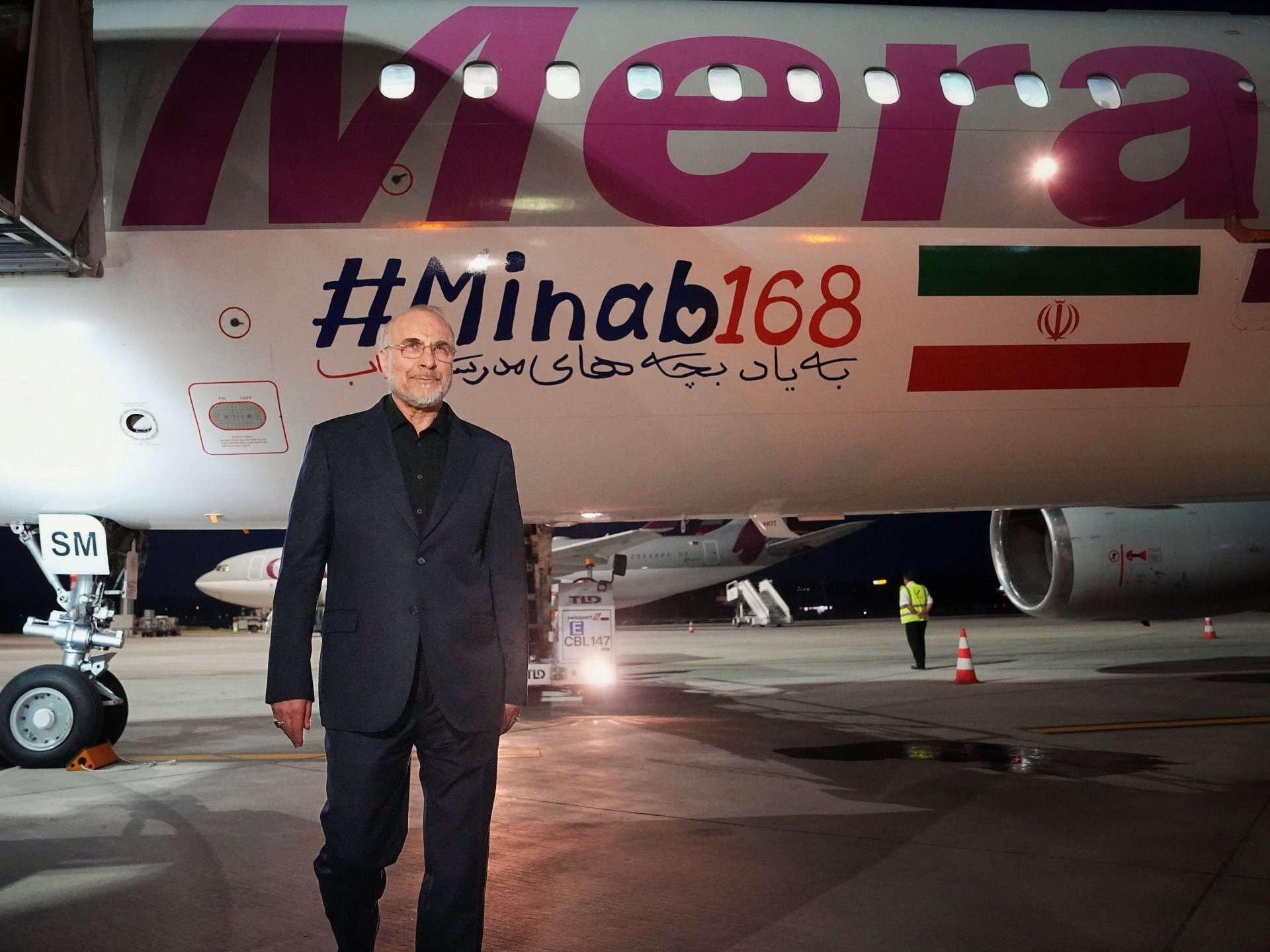
Mohammad Bagher Ghalibaf, speaker of Iran's parliament and lead negotiator, criticized Donald Trump for what he called 'theatre diplomacy on loop'. This came after the US president claimed he was authorizing attacks on Iran. He later canceled those attacks. Ghalibaf shared these comments in a social media message on Thursday. This followed Trump's announcement that he had halted planned strikes. He also suggested a deal with Tehran was nearly complete.
Ghalibaf rejected the US narrative. He argued that Washington moves between issuing military threats and offering diplomatic options. He called this a failed strategy to pressure Iran. 'Massive attack coming…wait, never mind, they want to negotiate,' he wrote. He described it as 'theater diplomacy on loop.' He urged the US to face the facts and honor its promises.
A shifting stance
On Saturday, Trump said he had scrapped a large-scale military assault on Iran. He claimed that Tehran and other regional nations had asked the US to halt the strikes. This was as diplomatic progress neared. He insisted the agreement would bring the 'immediate, Complete, and Total OPENING OF THE HORMUZ STRAIT'. He also said it would eliminate what he described as 'Iran's nuclear threat'.
Regional talks
Iran has been in talks with Oman to reopen the Strait of Hormuz, a vital route for global energy. Tehran states the deal is 'on the verge of being finalised,' following an agreement on route coordinates for the waterway. The strait's closure and damage to energy infrastructure have spiked oil prices.
The strait became a key issue after Israel and the US struck Iran on February 29, leading to a prolonged regional conflict. Iran now claims sovereignty over parts of the waterway, which runs through both Iranian and Omani territorial waters.
US claims optimism
Trump told journalists on Thursday that he believed the war with Iran was about to end. He predicted petrol prices would fall once hostilities stopped. He added that he is actively involved in the negotiations. He stated that 'we’re doing fine.'
Trump has long argued that Iran is already defeated and that the war is nearly over. Meanwhile, Iranian officials have made clear they are prepared to sustain a long conflict.