
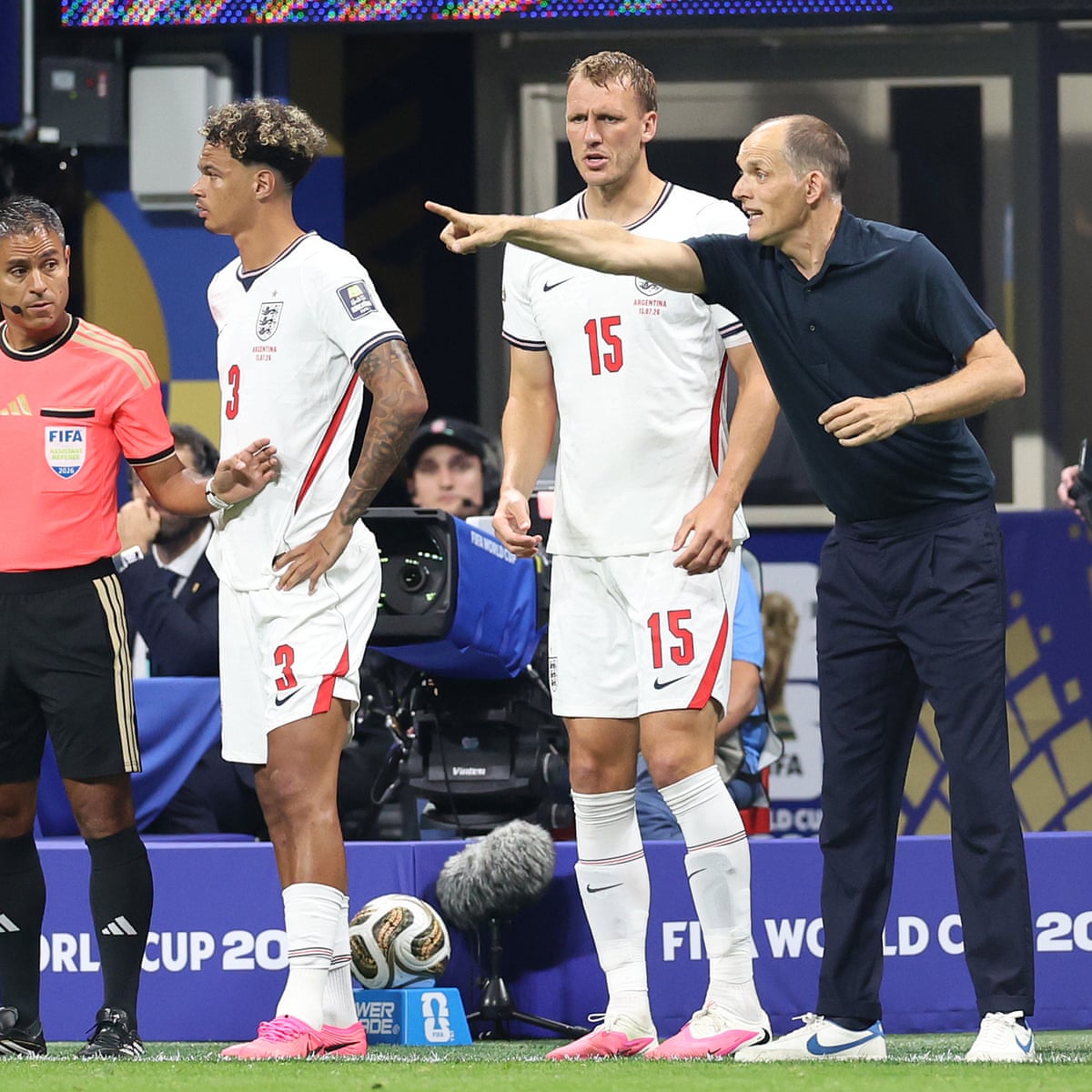
With England's World Cup dreams fading fast, attention has inevitably turned to their manager, Thomas Tuchel. The defeat has sparked the usual debate over who or what went wrong. Tuchel, despite his high-profile background and previous successes, is now the center of yet another round of criticism. But a closer look suggests the issue is more complex. England's struggles in this tournament don't simply stem from poor leadership but from a mix of tactical errors and high-pressure moments.
A crucial turning point in the match against Argentina came around the 72nd minute. Faced with England's disorganization and loss of momentum, Tuchel made the bold decision to switch to a deep back-five formation. Critics argue this move was too cautious, leaving the team overly defensive and lacking in creativity. By the 82nd minute, there were six defenders on the field, an unusual sight that highlighted England's desperation to hold on. While this tactic has worked in past high-stakes games, it ultimately didn't serve the team in this pivotal encounter.
The cautious approach had yielded success in earlier games, particularly against Norway and Mexico. However, this strategy failed against Argentina, a team known for its relentless pressure and ability to exploit defensive weaknesses. England's decision to sit back and play defensively backfired, causing a loss of momentum and confidence that proved difficult to recover from.
This World Cup outcome mirrors previous cycles of high hopes and crushing defeats for England. The pattern remains familiar: a team that looks strong on paper but often struggles in execution under pressure. The manager is usually the target of criticism, and Tuchel is no exception. Like those before him, he now faces the burden of a familiar narrative — high expectations, tactical changes, and a painful loss.
Despite the recent loss, Tuchel's tenure wasn't without its successes. England made it to the semifinals and secured a notable win against the host nation. Several players from the fringes of the squad showed promise and contributed positively. The final match in Atlanta may have been a disaster, but it's important to remember that the overall campaign wasn't a complete failure. Tuchel had demonstrated adaptability and competence in earlier games, and it's reasonable to acknowledge that even top-tier managers can make a mistake in a high-pressure setting.
Post-match, Tuchel appeared visibly thinner and more subdued. His comments about maintaining 'tactical perspective' and grappling with the consequences of his decisions reflected the weight of the moment. The media and the public were quick to analyze his every move, scrutinizing his performance with a mix of disappointment and frustration.
As the situation calms down, the natural next step is to process the loss and identify necessary changes. Assigning blame is part of the ritual, but the key takeaway is that one or even several decisions shouldn't entirely define a managerial career. Tuchel had shown competence and adaptability before, and the loss in Atlanta might not erase that entirely. For fans and analysts alike, the challenge remains whether this cycle of disappointment can ever be broken. As the team and its supporters reflect on the experience, the search continues for a different outcome in the future.
Looking beyond the immediate aftermath, it's clear that England's journey through the World Cup wasn't solely about one manager. The broader picture shows a team that, while full of talent, often falters when it matters most. Tuchel's tactical decisions, though questioned, were not entirely to blame. The real issue lies in the pattern of performance under pressure, a challenge England has faced time and again.
The tournament provided a mix of highs and lows. England's semifinal appearance was a success, showing glimpses of potential that can't be ignored. However, the final stretch in Atlanta exposed the weaknesses that have plagued the team. Tuchel's strategic choices were questioned, but they were based on previous experiences where similar tactics worked. Unfortunately, the context in this match was too different for those strategies to succeed.
For now, Tuchel faces the inevitable backlash, though it's worth remembering that even the best managers can have a misstep. The real issue isn't just the loss, but the recurring pattern of underachievement in major tournaments. England's team is often stacked with talent, yet it rarely translates into success under the immense pressure of international competition.
As the dust settles, the conversation will shift to what needs to change. Tuchel's future in charge of England is uncertain, but the bigger question remains whether a different manager can break the cycle. For a team with so much potential, the challenge is finding a way to deliver consistently when it counts most. Only time will tell if a new approach can lead to a different ending.
The emotional toll of the loss is evident. Fans are left disappointed and frustrated, while the media dissect every move for answers. Tuchel, like his predecessors, now faces the burden of expectation. The hope is that this cycle of disappointment can finally be broken, not just by a manager, but by the team as a whole. For now, the focus remains on the aftermath and the search for a better path forward.
Ultimately, the World Cup experience has highlighted both the potential and the limitations of England's current team. While there are lessons to be learned and changes to be made, the journey ahead remains uncertain. The challenge for Tuchel and the team is not just to move past this loss but to build a foundation that can lead to success in the future.
The story isn't over. England's World Cup exit is just one chapter in a long history of near-misses and heartbreak. The question is whether this moment will serve as a catalyst for change or just another painful memory. For now, the focus remains on reflection, blame, and the hope for a better outcome next time around.