
A new era of inclusivity
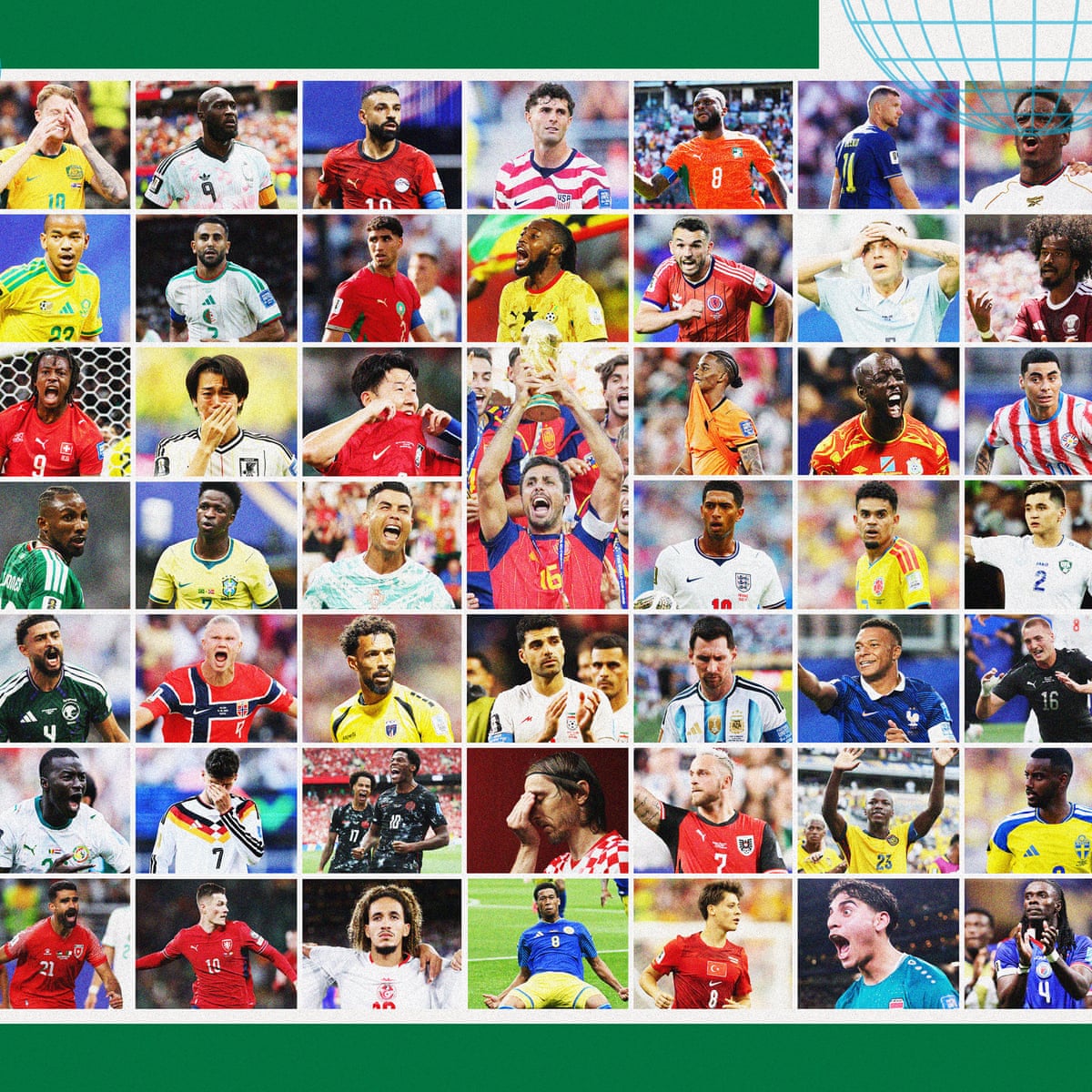
The 2026 World Cup in North America was the first to feature 48 teams, a format announced by Fifa in 2017 under president Gianni Infantino, who succeeded Sepp Blatter. The decision aimed to expand football’s reach, offering smaller nations like Cape Verde and Curaçao their first taste of World Cup football. Infantino called the format a 'celebration of the sport’s diversity.'
Cape Verde, ranked 98th in the world, became the tournament’s most inspiring story, even if they didn’t win a game. They reached the group stage thanks to expanded qualifying quotas, a key part of the 48-team model. Curaçao’s Livano Comenencia drew one of the group’s most memorable moments by scoring an equalizer against Germany. Across the competition, six nations played in the knockout rounds for the first time.
Egypt and Canada earned their first-ever World Cup knockout victories. For Infantino, the model seemed to work. The Fifa president emphasized that globalizing the tournament would spread the financial benefits more broadly, especially to nations leveraging diaspora talent to strengthen their squads. 'Football is more than Europe and South America,' he said in 2017.
The widening gap
While the 48-team format opened doors for newcomers, it also exposed the widening gap between the world’s best and the rest. In 2022’s 32-team format, Brazil’s 77-point advantage over Haiti in their group was the biggest disparity. In 2026, five group-stage matches saw teams with 65+ ranking gaps.
Spain, the eventual winners, faced Cape Verde and drew 0-0. England, too, drew with Ghana. For the giants, the tournament was a mixed bag of near-misses and cautious performances. The one major surprise was Uruguay, who underperformed and exited early. Spain and England both advanced without a single loss in the group stage.
Iraq, ranked 87th and bottom of Group I, became the weakest side, enduring a -11 goal difference. France, Norway, and Senegal all advanced as expected. Yet the group stage was less dramatic than in 2022, with more routine results. Still, top stars like Kylian Mbappé and Lionel Messi used the format to build momentum for the Golden Boot race.
A flawed third-place system
The 48-team format introduced an eight-team third-place bracket, a system designed to give more nations a chance to progress. But it failed to eliminate the possibility of collusion between teams. For example, knowing what result was needed to qualify gave teams playing later games a competitive advantage.
A chaotic late-game in Group J saw Algeria fall from second to third after conceding in the 96th minute, changing their path in the knockouts from Spain to Switzerland. Five teams were already eliminated before their final group match. Fans of nations like Scotland had to wait for clarity before being told they were going home.
The shift from goal difference to head-to-head as a tie-breaker didn’t help. Fifa’s third-place system gave the illusion of excitement, but in practice, it felt like a hollow compromise, especially when the stakes were lower for many teams.
Next stop: 64 teams?
Infantino hasn’t ruled out expanding the World Cup to 64 teams, a move that would add 16 more nations and just 24 additional games. It would also return to the 32-team format’s top-two-go-through structure, which offers more clarity but risks even bigger disparities.
Teams like New Caledonia (151st) and Indonesia (118th) made it into 2026’s late qualifiers. How would they fare against Argentina or Spain in a 64-team bracket? The logistical hurdles are daunting, especially with proposed venues lacking roofs and group stages potentially playing four matches a day in hot conditions.
The debate will intensify in the coming months. For now, the 48-team format has given the World Cup more faces — and more problems — but it has also changed what the tournament means for the smaller nations chasing their dreams.