
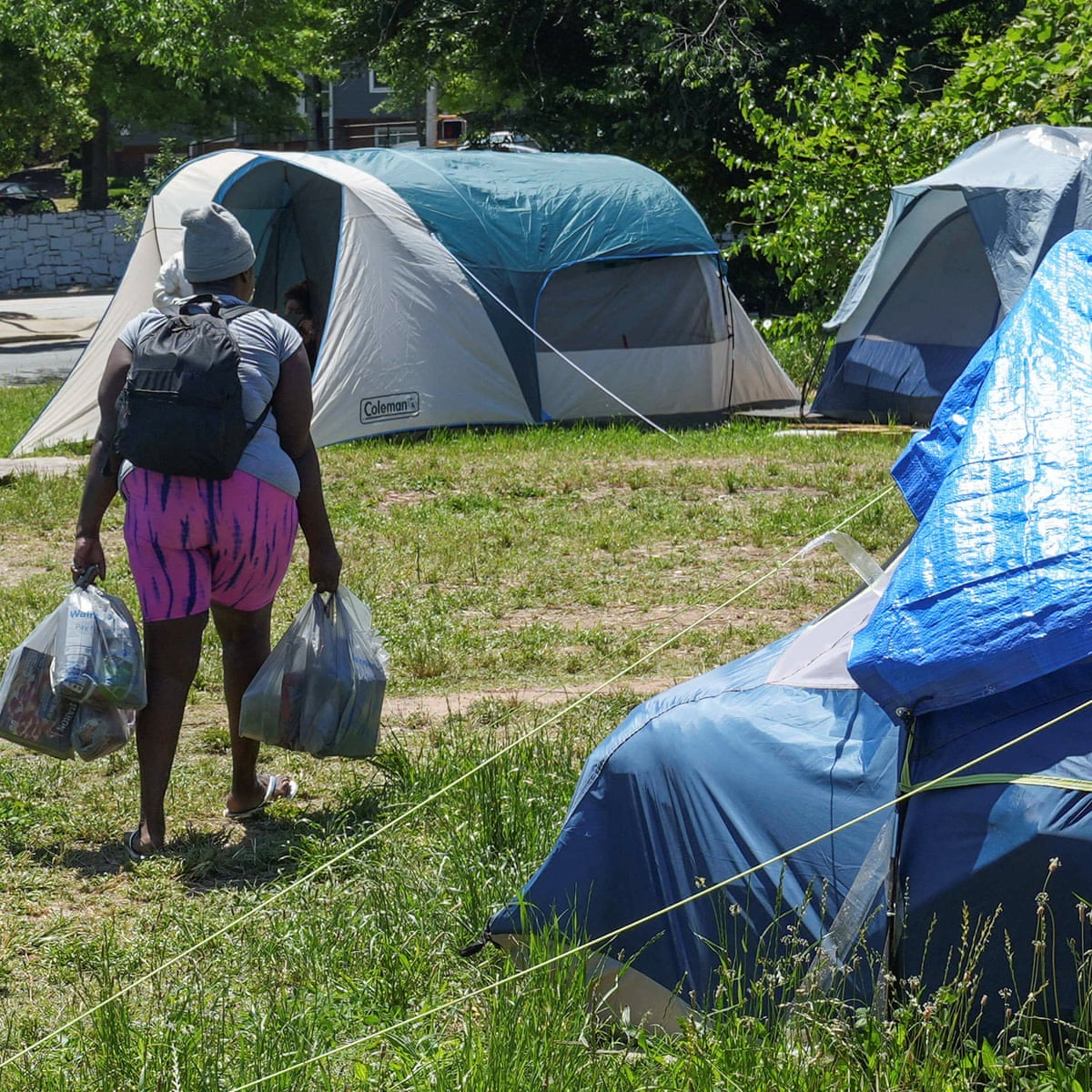
Just days before the 2026 World Cup final, Freedom Park in Atlanta stood almost completely empty. Rolling green grass now stretched untouched across the land that had previously held the tents, sleeping bags, and makeshift shelters of 174 unhoused people. The city moved quickly to clear the site, claiming it was nothing more than regular park maintenance.
Local officials insisted the park wasn’t considered an official encampment, which meant the city could act without following special procedures. This decision took place around the same time as the World Cup semi-final in England, and it wasn’t a unique case. Similar actions have been reported in the US, Canada, and Mexico.
A World Cup Policy of Displacement
Atlanta Mayor Andre Dickens has been open about the city’s strategy: unhoused individuals must be kept out of central areas. This isn’t just a temporary measure for the World Cup, but a long-term goal. Earlier in 2024, Vice-President JD Vance made headlines when he criticized the presence of unhoused people, calling for a city where families wouldn’t have to avoid someone on the streets. His comments were widely seen as cruel. The city’s official initiative, 'Downtown Rising,' claims to have housed 500 people, but it has drawn criticism for its heavy-handed tactics.
Last year, a tragic event in Atlanta’s Sweet Auburn neighborhood highlighted the dangers of such aggressive measures. Cornelius Taylor, an unhoused man, was killed when city workers operating a five-tonne bulldozer crushed him while he slept in a tent. His partner later found blood and body parts among his belongings. This incident led to pledges for more care and new protocols. However, it remains unclear how these promises have been carried out in practice.
Where Did They Go?
The Center for Health and Rehabilitation, a facility in Fulton County that assists unhoused individuals with mental health and addiction challenges, has noted a drop in street presence. One care worker mentioned hearing reports that some people had been placed in temporary housing during the World Cup, but no details were available about their locations.
Sirius, a regular at the Crossroads Community Center near Atlanta’s Fifa hotels, shared his experience of being moved to a site in the city's West End. His description painted a picture of a facility more like a detention center than a shelter.
As the World Cup took place, Atlanta's central areas looked cleaner. Yet for the displaced, the city’s push to seem 'presentable' came with a high cost. Many were given no real options—just removal. We’re people and we’re frustrated that they’ve chosen to treat us less than human.'
Meanwhile, as the city pushed its agenda, other leaders were enjoying luxury. One week before the final, Gianni Infantino, the FIFA president, flew from Miami to Qatar on a private jet. He was in Lusail to attend the funeral of former Emir Sheikh Hamad bin Khalifa Al Thani, whom he called a 'visionary mentor.' He was photographed in full global statesman mode, seated on a silver throne.
That same Sunday, Donald Trump visited his golf resort in Virginia, where he has a 50,000 sq ft clubhouse, an Olympic-sized pool, and sweeping views of the Potomac River. The resort, however, came at a cost: 465 trees were cut down during recent renovations. These events took place around the same time as the Guardian published a story about the sudden removal of people from Freedom Park.
City workers had entered the park without warning and taken away tents, personal IDs, medications, and other belongings of those living there. The park had become a quiet green space, with no sign of the former occupants. The Guardian’s report came just days after the last of Atlanta’s eight World Cup matches, and it highlighted the contrast between the city’s efforts to impress tourists and the harsh realities for those being displaced.
The city’s plan, 'Downtown Rising,' is backed by funding and includes positive-sounding goals, such as housing 500 people. But for many, the results have been painful. The story of Cornelius Taylor, crushed by a city bulldozer as he slept, has become a symbol of the risks involved. In the aftermath, officials promised better handling of such situations, but questions remain.
In practice, it’s unclear whether these promises are being followed. Sirius’s experience being dropped off at a 'warehouse of cops' in the middle of the night shows how some people are being treated. They’re not offered shelter, just relocation—often without their consent.
Atlanta is home to an estimated 3,000 unhoused individuals. The city’s efforts to appear welcoming for the World Cup have raised serious ethical questions. For those who live in the streets, the event is a reminder of their marginalization. 'We’re people and we’re frustrated that they’ve chosen to treat us less than human.'